Introduction
An electric plug socket is a basic part of any electrical system, providing a safe connection between appliances and the power supply. Although sockets are commonly used every day, choosing the right type and understanding proper use, maintenance, and safety can help prevent electrical problems. In this article, we will cover the different types of sockets, international standards, common problems, maintenance tips, and the key differences between plug sockets and electrical outlets.
What Is an Electric Plug Socket?
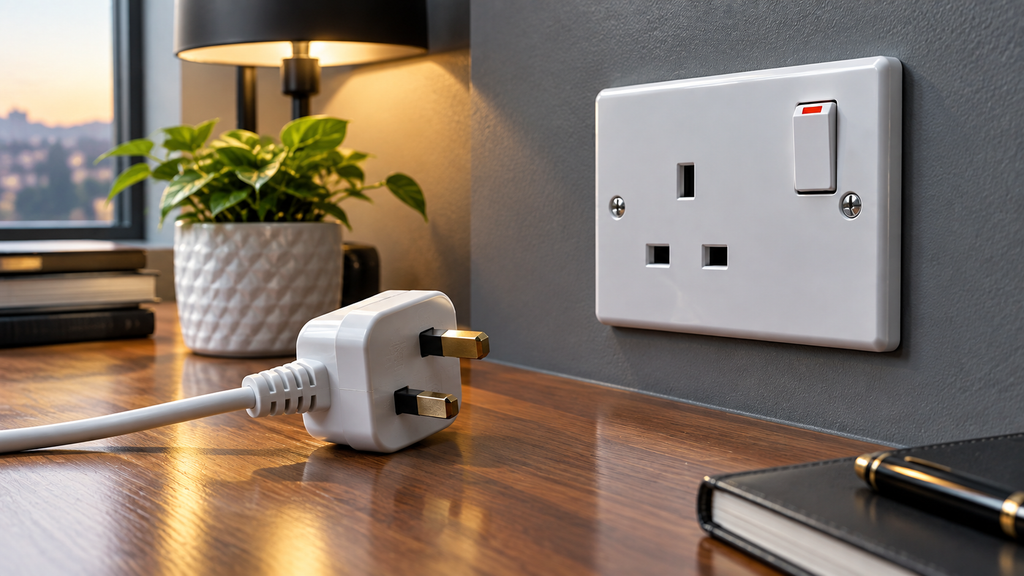
An electric plug socket is a fixed electrical outlet that provides a connection between an electrical appliance and the power supply. It contains electrical contacts that connect with the pins of a plug, allowing electricity to flow safely to devices such as lamps, chargers, televisions, and other appliances.
Plug sockets are commonly installed in walls and may include features such as an on/off switch, grounding protection, USB ports, or safety shutters. The design and electrical specifications of sockets vary between countries depending on local voltage, frequency, and plug standards.
A properly installed socket provides a secure connection for devices such as smartphones and chargers, helping reduce electrical risks. Damaged, loose, or overheating sockets should be inspected or replaced by a qualified electrician to ensure safe and reliable use of mobile devices.
How Does an Electric Plug Socket Work?
An electric plug socket works by connecting an appliance to the building’s electrical supply. When you insert a compatible plug, its pins make contact with the electrical terminals inside the socket. This creates a path for electricity to flow through the appliance.
A typical socket has connections for live, neutral, and earth/ground conductors. The live conductor supplies electrical energy, while the neutral provides the return path. The earth connection helps protect users by directing fault current safely away from exposed metal parts.
When a switched socket is turned on, the electrical circuit is completed and the connected appliance can operate. Protective devices such as circuit breakers, fuses, and residual-current protection can help disconnect the supply if a fault or excessive current occurs.
Different Types of Electric Plug Sockets?
Electric plug sockets come in different designs to meet various electrical and practical needs. The right socket depends on where it is installed, the type of devices being used, and the level of protection required.
Standard Wall Sockets
Standard wall sockets are the most common type used in homes, offices, and other indoor spaces. They provide a simple connection point for electrical appliances such as lamps, televisions, fans, and chargers. They are available in different designs and electrical standards depending on the country.
Switched Plug Sockets
Switched plug sockets include an individual switch that allows users to turn the power on or off without unplugging the appliance. This provides convenient control and can help reduce unnecessary power consumption when devices are not in use.
USB Plug Sockets
USB plug sockets combine traditional power outlets with built-in USB ports. They allow users to charge smartphones, tablets, and other USB-powered devices directly from the wall without requiring a separate USB adapter.
Smart Plug Sockets
Smart plug sockets can connect to a home network and may be controlled through a smartphone app or compatible voice assistant. Depending on the model, they can provide features such as remote switching, scheduling, and energy monitoring.
Weatherproof Outdoor Sockets
Weatherproof outdoor sockets are designed for exterior locations such as gardens, patios, garages, and outdoor work areas. They use protective covers and sealed designs to help reduce exposure to rain, dust, and moisture. Outdoor electrical installations should also follow local safety requirements.
GFCI/RCD-Protected Sockets
GFCI/RCD-protected sockets are designed to provide additional protection against electric shock by detecting abnormal current leakage and disconnecting the power quickly. They are commonly used in areas where electricity may come into contact with moisture, such as kitchens, bathrooms, laundry areas, and outdoor locations.
Electric Plug Socket Standards Around the World
Electric plug socket standards vary from country to country, mainly in plug shape, voltage, frequency, and safety requirements. These differences mean that an appliance designed for one country may need a plug adapter or voltage converter when used in another
Where Are Electric Plug Sockets Used?
Electric plug sockets are used in places where electrical devices need a connection to the power supply. They are commonly installed in homes, offices, commercial buildings, schools, hospitals, workshops, and outdoor areas. Their design and safety features may vary depending on the location and the type of equipment being powered.
In homes, sockets are found in bedrooms, kitchens, living rooms, bathrooms, and garages for appliances, lighting equipment, chargers, and other devices. Offices use them for computers, printers, monitors, and other electronic equipment. In commercial and industrial spaces, specialized sockets may be required for machinery and high-power appliances.
Outdoor sockets are used for garden tools, outdoor lighting, and other electrical equipment, usually with weather-resistant protection. In wet or potentially damp areas, sockets with appropriate GFCI/RCD protection are used to reduce the risk of electric shock.
How to Choose the Right Electric Plug Socket
Choosing the right electric plug socket depends on the location, electrical requirements, plug type, and safety features. Start by checking the voltage and current rating to ensure the socket is suitable for the devices you plan to use.
Consider the socket type and compatibility with your plugs, especially if you are installing sockets for specific appliances. For kitchens, bathrooms, and outdoor areas, choose models designed to handle moisture and demanding conditions. Features such as GFCI/RCD protection, child safety shutters, and built-in switches can provide additional protection.
For smart homes, USB charging, or other specialized needs, you can choose sockets with USB ports, smart controls, or other integrated features. Always select a socket that meets the electrical standards and regulations applicable in your country, and have fixed electrical installations fitted by a qualified electrician.
Electric Plug Socket Safety Tips
Using electric plug sockets safely helps prevent electric shocks, overheating, and electrical fires. Follow these simple safety practices:
- Do not overload a socket with too many plugs or high-power appliances.
- Check for damage such as cracks, burn marks, loose connections, or unusual heat.
- Keep sockets dry, especially in kitchens, bathrooms, and outdoor areas.
- Use the correct plug and socket type for the appliance and electrical supply.
- Keep children safe by using suitable child-protection features where needed.
- Avoid loose or damaged plugs, and replace faulty sockets promptly.
- Do not force a plug into a socket that does not match.
- Use GFCI/RCD protection in locations where additional protection against electric shock is required.
- Have electrical repairs and fixed installations handled by a qualified electrician.
Regular inspection and proper use can help keep electrical connections safe and reliable.
Common Electric Plug Socket Problems
Electric plug sockets can develop faults over time due to regular use, loose wiring, moisture, or physical damage. Identifying common problems early can help prevent electrical hazards and keep appliances working safely.
Loose Plug Connection
A plug that feels loose or falls out easily may indicate worn contacts inside the socket. A loose connection can cause intermittent power, heat buildup, or sparking. Avoid using the socket until it has been inspected or replaced.
Socket Not Providing Power
If a socket does not provide power, first check whether the appliance and plug are working correctly. The problem may also be caused by a tripped circuit breaker, RCD/GFCI, or a wiring fault. If resetting the protection does not restore power, have the socket checked by a qualified electrician.
Sparks or Burning Smell
Small sparks can sometimes occur when plugging in certain appliances, but repeated or large sparks are a warning sign. A burning smell, scorch marks, or buzzing should be treated seriously. Switch off the circuit if it is safe to do so and arrange a professional inspection.
Overheating
A socket that feels unusually hot may have a loose connection, overloaded circuit, damaged wiring, or a faulty appliance. Stop using it and allow it to cool. Persistent overheating requires inspection by a qualified electrician.
Cracked or Damaged Socket
Cracks, broken covers, exposed parts, or loose socket plates can expose users to electrical hazards. Do not continue using a physically damaged socket. Replace it with a suitable, properly rated unit.
When Should You Replace an Electric Plug Socket?
An electric plug socket should be replaced when it becomes damaged, loose, overheated, or unsafe to use. Common signs that indicate replacement may be needed include:
- Cracks, broken parts, or visible damage to the socket.
- Burn marks, discoloration, or a burning smell, which may indicate overheating.
- Loose plugs that do not fit securely into the socket.
- Sparks or unusual buzzing sounds when connecting or using a device.
- Intermittent power or a socket that stops supplying electricity.
- Signs of melting or excessive heat around the socket.
If a socket shows any of these warning signs, stop using it and have it inspected by a qualified electrician. Replacing a faulty socket promptly can help reduce the risk of electric shock, equipment damage, and electrical fires.
Electric Plug Socket Maintenance
Regular maintenance helps keep electric plug sockets safe and reliable. Inspect sockets periodically for cracks, loose fittings, burn marks, discoloration, or unusual heat. Keep them clean and dry, and make sure plugs fit securely without excessive movement.
Avoid overloading sockets or using damaged plugs and cables. If you notice sparking, buzzing, burning smells, or intermittent power, stop using the socket and have it checked by a qualified electrician. For outdoor or damp locations, ensure the socket has suitable weather protection and the required safety protection.
Electric Plug Socket vs. Electrical Outlet
The terms electric plug socket and electrical outlet are often used to describe the same point where an electrical device connects to a power supply. The main difference is regional terminology.
In British English and many other countries, “socket” commonly refers to the fixed wall connection where a plug is inserted. In American English, “electrical outlet” is more commonly used for the same purpose. The term plug usually refers to the connector attached to an appliance’s power cord.
Although the names may differ, both terms generally describe a fixed electrical connection designed to safely supply power to electrical devices.
Frequently Asked Questions About Electric Plug Sockets
1: What is an electric plug socket?
An electric plug socket is a wall-mounted electrical outlet that provides power to appliances when a compatible plug is inserted into it.
2: What is the difference between a plug and a socket?
A plug is attached to an appliance’s power cord and connects to a socket. The socket is the fixed electrical point that supplies power to the appliance.
3: How many appliances can I plug into one socket?
It depends on the socket’s electrical rating and the total power required by the appliances. Avoid overloading one socket, especially with high-power appliances such as heaters, kettles, and microwaves
4: Can I use an electric plug socket outdoors?
Yes, but only if the socket is specifically designed and rated for outdoor use. Outdoor sockets should have suitable weather protection and appropriate safety protection, such as GFCI/RCD protection where required.
5: How long does an electric socket last?
A good-quality socket can last many years, but its lifespan depends on usage, installation quality, and environmental conditions. Replace it if it becomes damaged, loose, discolored, or shows signs of overheating.
6: Why does an electric socket become hot?
A hot socket can be caused by an overloaded circuit, loose connections, a faulty socket, or an appliance drawing too much power. Turn off the power and have it inspected by a qualified electrician if it becomes unusually hot.
7: Can I install an electric socket myself?
Electrical socket installation can be dangerous if you are not trained. It is safer to have a qualified electrician install or replace a socket, especially when new wiring or circuit changes are required.
Conclusion
An electric plug socket plays an important role in providing convenient and safe access to electrical power. Understanding socket types, standards, common problems, and maintenance can help you use them more safely and identify when a socket needs attention or replacement. Always follow electrical safety guidelines and seek professional help when dealing with damaged or faulty wiring.