Introduction
Minimalist casual shoes offer a lightweight and flexible option for people who prefer a more natural feel while walking. With features such as flexible soles, wider toe areas, and reduced cushioning, they can provide comfortable everyday footwear when chosen correctly. However, they are not suitable for every person or walking condition. Fit, foot shape, walking habits, surface type, and personal comfort all play a role in finding the right pair. Understanding their features, benefits, limitations, and proper use can help you decide whether this type of footwear suits your daily needs.
What Are Minimalist Casual Shoes?
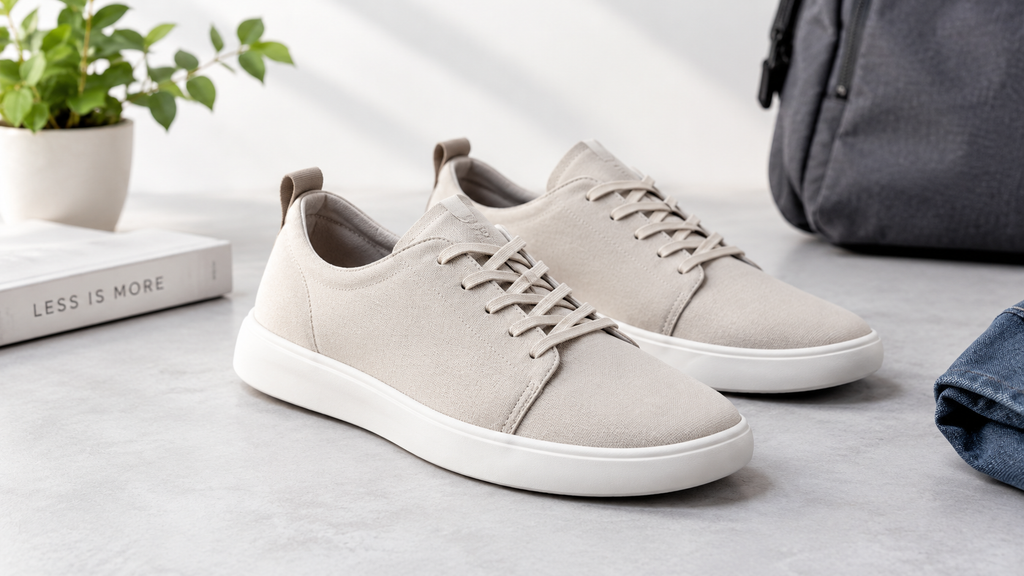
Minimalist casual shoes are designed to support natural foot movement while offering a lightweight and flexible feel. Unlike traditional casual footwear, they typically feature thin, flexible soles, a low heel-to-toe drop, and a spacious toe box. These features allow your feet to move more naturally during everyday activities.
Minimalist casual shoes combine simple designs with practical comfort, making them suitable for casual outings, light walking, and daily wear. However, their cushioning and protection levels vary, so choosing a pair that matches your foot shape, comfort preferences, and daily activities is important.
Definition of Minimalist Casual Shoes
Minimalist casual shoes are designed to encourage natural foot movement while providing a lightweight and flexible wearing experience. They typically have a simple structure, reduced cushioning, and minimal support compared to traditional footwear. These shoes are suitable for people who prefer a more natural feel during everyday activities.
Key Features of Minimalist Casual Shoes
Minimalist casual shoes are designed to support natural foot movement through a lightweight and flexible construction. Their key features include:
- Flexible Soles: Allow the feet to move naturally while walking.
- Lightweight Design: Reduces the feeling of heaviness during daily activities.
- Wide Toe Box: Provides enough space for the toes to spread comfortably.
- Low Heel-to-Toe Drop: Keeps the heel and forefoot at a similar height, encouraging a more natural foot position.
- Minimal Cushioning and Structure: Offers less padding and built-in support than traditional footwear, allowing greater foot engagement.
How Minimalist Shoes Differ From Traditional Casual Shoes
Minimalist shoes and traditional casual shoes differ in their sole flexibility, cushioning, and overall construction. Minimalist shoes typically feature thin, flexible soles that encourage natural foot movement, while traditional casual shoes often use thicker soles and additional cushioning for comfort and impact protection.
In terms of design, minimalist shoes generally have a wider toe box, a low heel-to-toe drop, and less structural support. Traditional casual shoes may include raised heels, firmer midsoles, and more supportive features to provide stability and cushioning.
Benefits of Minimalist Casual Shoes
Minimalist casual shoes offer a lightweight design, flexible construction, and a natural feel for everyday wear. Their simple structure makes them suitable for people who value foot movement, comfort, and versatile styling.
Promote Natural Foot Movement
Minimalist casual shoes are designed to support natural foot movement through flexible soles and less restrictive construction. They allow the feet to move more freely during everyday activities. However, comfort depends on individual foot shape, walking habits, and personal preferences. Choosing a suitable fit helps ensure a comfortable experience.
Lightweight and Flexible Design
Lightweight materials reduce the feeling of heaviness during walking and everyday activities. Flexible soles allow the feet to move more naturally while shopping, walking, or performing casual tasks. This combination can improve comfort, particularly for people who prefer less structured footwear.
Comfortable for Everyday Activities
Minimalist casual shoes can be suitable for shopping, short walks, and casual outings. Their lightweight construction supports everyday movement without unnecessary bulk. Proper fit is essential because shoes that are too tight, loose, or narrow can cause discomfort. Select a size and shape that provide enough room for your toes and a secure fit.
Simple and Versatile Style
Minimalist casual shoes often feature clean designs that complement jeans, trousers, shorts, and other casual outfits. Their simple appearance makes them suitable for everyday settings, including errands, social gatherings, and relaxed outings. Their versatility allows you to combine comfort-focused footwear with different personal styles.
Are Minimalist Casual Shoes Good for Everyday Walking?
Minimalist casual shoes can be suitable for everyday walking when they fit properly and provide enough comfort for your walking routine. Their lightweight and flexible design allows natural foot movement, but they generally offer less cushioning and support than conventional walking shoes.
Comfort During Daily Activities
Comfort depends largely on the shoe’s fit, flexibility, and cushioning. A properly fitted shoe should hold the foot securely without creating pressure or restricting movement. A flexible sole can make walking feel more natural, while adequate cushioning helps reduce discomfort on harder surfaces. The right balance depends on your personal comfort and foot needs.
Suitability for Different Walking Conditions
Minimalist shoes can work well for indoor walking and short walks on smooth outdoor surfaces. For longer walks or rough and hard surfaces, their limited cushioning may provide less protection and comfort. If you regularly walk for extended periods, choose a pair that offers enough underfoot protection for those conditions.
Adjusting to Minimalist Footwear
People who are new to minimalist footwear may benefit from gradually increasing wear time. Starting with short walks allows the feet and lower legs to adjust to the shoe’s flexible, low-support design. Comfort varies from person to person, so walking habits, foot structure, and individual needs should be considered when choosing minimalist shoes.
Potential Drawbacks of Minimalist Casual Shoes
Minimalist casual shoes have some limitations, particularly because they usually have thinner soles and less cushioning than traditional footwear. Their suitability depends on the walking surface, daily activity, and individual foot needs.
Limited Cushioning and Protection
Thin soles provide less cushioning and protection from hard, uneven, or rough surfaces. This may make longer walks less comfortable for some people. Choosing shoes with suitable sole protection is important, especially when walking outdoors or on demanding surfaces.
Adjustment Period
Switching from heavily cushioned shoes to minimalist footwear can take time. The feet and lower legs may need to adapt to the different level of support and flexibility. Start with shorter periods of use and gradually increase them according to your comfort.
Not Suitable for Everyone
Minimalist shoes do not meet everyone’s comfort or support needs. Individual foot structure, walking habits, and personal preferences can affect how well they work. If you experience persistent foot discomfort, consult a qualified healthcare professional for appropriate advice.
Key Features to Look for in Minimalist Casual Shoes
When choosing minimalist casual shoes, focus on flexibility, foot space, sole design, breathability, and a secure fit. These features can improve comfort and allow more natural foot movement during everyday use.
Flexible and Lightweight Sole
A flexible, lightweight sole allows the foot to move more naturally while walking. However, the sole should still provide enough protection for the surfaces you regularly walk on. A balance between flexibility and basic underfoot protection is important for everyday use.
Wide Toe Box
A wide toe box gives the toes enough room to spread and sit comfortably. Avoid shoes that squeeze the toes or create pressure around the front of the foot, as a restrictive fit can reduce comfort during walking.
Low Heel-to-Toe Drop
Heel-to-toe drop refers to the height difference between the heel and the front of the shoe. A low drop creates a more level platform from heel to toe and is a common feature of minimalist footwear. It can contribute to a more natural-feeling foot position.
Breathable Materials
Materials such as mesh and canvas allow better airflow around the feet. Good ventilation can help reduce heat and moisture, making the shoes more comfortable for everyday wear, particularly in warm conditions.
Secure and Comfortable Fit
The heel should stay securely in place without excessive pressure, while the front of the shoe should provide sufficient space for the toes. Trying shoes on before purchasing helps you check the fit, comfort, and freedom of movement.
How to Choose the Right Minimalist Casual Shoes
Choosing the right minimalist casual shoes depends on your foot shape, daily activities, material preferences, and overall fit. The best pair should feel comfortable and provide enough protection for how you use them.
Consider Your Foot Shape
Choose a design that matches the width and shape of your feet. Your toes should have enough room to move without being squeezed. Avoid shoes that create pressure, rubbing, or discomfort while walking.
Think About Your Daily Activities
Consider how far you normally walk, where you walk, and how often you will wear the shoes. Smooth indoor surfaces may require less protection, while outdoor or uneven surfaces may require a more protective sole. Choose accordingly for comfort and practicality.
Check Material Quality
Look for materials that provide suitable breathability, durability, and flexibility. Mesh can improve airflow, while canvas and other durable materials may provide better everyday wear resistance. The construction should also feel secure and well-made.
Focus on Fit Rather Than Appearance
Comfort should take priority over the shoe’s appearance. Check that the toes have adequate space and the heel stays securely in place without excessive pressure. A good fit should feel comfortable from the start rather than requiring you to tolerate discomfort for the sake of style.
Minimalist Casual Shoes vs. Barefoot Shoes
Minimalist casual shoes and barefoot shoes share some design principles, but they are not always the same. Both aim to reduce unnecessary structure and allow more natural foot movement, while minimalist shoes can offer different levels of cushioning and protection.
Similarities Between Minimalist and Barefoot Shoes
Both types of footwear are generally lightweight and flexible, allowing the foot to move more freely while walking. They often use flexible soles and designs that place less restriction on natural foot movement compared with conventional shoes.
Differences in Design and Structure
Barefoot shoes typically have very thin, flexible soles, minimal cushioning, and a low or zero heel-to-toe drop. Minimalist shoes can vary more widely in their construction and may include additional cushioning, structure, or sole protection. This makes some minimalist designs more suitable for casual everyday use.
Which Features Matter for Everyday Use?
For everyday wear, consider comfort, flexibility, protection, and fit rather than the label alone. Choose footwear that provides enough toe space, feels comfortable during your usual activities, and offers suitable protection for the surfaces you walk on. Individual preferences and foot needs should guide the final choice.
How to Transition to Minimalist Casual Shoes
Moving to minimalist casual shoes is easier when you gradually increase your wearing time. A slow transition allows you to understand how your feet respond to the change in flexibility, cushioning, and support.
Start With Short Walking Sessions
Begin by wearing the shoes for short walks or limited periods during the day. Gradually increase your usage as your feet become more comfortable with the shoes. Avoid switching to them for long walks immediately.
Pay Attention to Foot Comfort
Pay attention to soreness, discomfort, or unusual fatigue in your feet and lower legs. If discomfort continues or becomes painful, reduce your walking time and allow your feet to recover rather than pushing through it.
Choose Suitable Walking Surfaces
Start on manageable surfaces, such as smooth indoor floors or even outdoor paths. As you become more comfortable, you can adjust your use based on the shoe’s flexibility and level of protection.
Allow Your Feet Time to Adapt
The adjustment period varies from person to person. Give your feet enough time to adapt and take breaks when needed. If persistent pain develops, stop using the shoes and consider seeking professional advice.
How to Care for Minimalist Casual Shoes
Proper care helps maintain the comfort, flexibility, and durability of minimalist casual shoes. Simple cleaning, drying, inspection, and storage habits can help keep them in good condition.
Clean Shoes Regularly
Remove dirt and dust regularly to prevent buildup on the materials and soles. Use the cleaning method recommended by the manufacturer, as different materials may require different care.
Keep Shoes Dry
Allow wet shoes to air-dry naturally in a well-ventilated area. Avoid direct heat from radiators, hair dryers, or other strong heat sources, as excessive heat can damage some materials and adhesives.
Inspect the Soles and Materials
Check the soles for excessive wear, cracks, or damage, and examine the upper materials for signs of deterioration. Make sure the sole still provides adequate flexibility and grip for your normal activities.
Store Shoes Properly
Store the shoes in a dry, ventilated place away from excessive moisture and heat. Avoid leaving them in conditions that could cause the materials to weaken, deform, or develop unpleasant odors.
Common Mistakes When Choosing Minimalist Casual Shoes
Choosing minimalist casual shoes based only on appearance or basic design can lead to discomfort. Paying attention to fit, walking conditions, and personal needs helps avoid common mistakes.
Choosing the Wrong Size
An improper fit can cause pressure, rubbing, or discomfort during walking. Check that the toes have enough room to move and that the heel stays secure without slipping. Avoid choosing a size based only on the shoe’s appearance or label.
Transitioning Too Quickly
Switching to minimalist footwear too quickly can make the adjustment less comfortable, especially if you are used to highly cushioned shoes. Start with shorter walking sessions and gradually increase usage according to your comfort.
Ignoring the Walking Surface
Different surfaces require different levels of protection. Thin, flexible soles may work well on smooth surfaces but may provide less protection on rough or uneven ground. Choose a sole design that matches your usual walking environment.
Focusing Only on Appearance
Style is useful, but it should not be the main factor when choosing footwear. Consider fit, comfort, flexibility, materials, and construction before appearance. A well-designed shoe should meet your practical needs as well as your style preferences.
Frequently Asked Questions About Minimalist Casual Shoes
What Are Minimalist Casual Shoes?
Minimalist casual shoes are lightweight footwear designed with less structure, flexible soles, and a more natural feel. They typically allow greater foot movement than conventional shoes.
Are Minimalist Casual Shoes Good for Everyday Use?
They can be suitable for everyday use when they fit well and provide enough comfort and protection for your routine. Individual foot shape, walking habits, and personal preferences should be considered.
Do Minimalist Shoes Have Arch Support?
Arch support varies between minimalist shoe designs. Some provide little or no structured arch support, while others include some supportive features. Check the specific shoe design before buying..
Are Minimalist Casual Shoes Comfortable for Long Walks?
They can be comfortable for long walks if you are properly adapted to them and the shoes provide enough protection for the walking surface. However, comfort varies between individuals, so choose footwear that suits your walking needs.
How Long Does It Take to Adjust to Minimalist Shoes?
There is no fixed adjustment period. It varies based on your footwear history, walking habits, and individual comfort. Starting with short periods of use and gradually increasing them can make the transition easier.
Can Beginners Wear Minimalist Casual Shoes?
Yes, beginners can wear minimalist shoes, but starting gradually is recommended. Begin with short walks and increase usage as your feet become comfortable with the reduced cushioning and increased flexibility.
Final Thoughts on Minimalist Casual Shoes
Minimalist casual shoes can be a practical choice for everyday wear when they provide the right combination of fit, flexibility, comfort, and protection. They may support more natural foot movement, but their reduced cushioning and structure can require an adjustment period. Choosing the right size, considering your usual walking surfaces, and transitioning gradually can improve the overall experience. Ultimately, the best footwear depends on your individual needs, comfort preferences, and daily activities.
Pingback: Arch Support Walking Shoes for Comfort & Stability