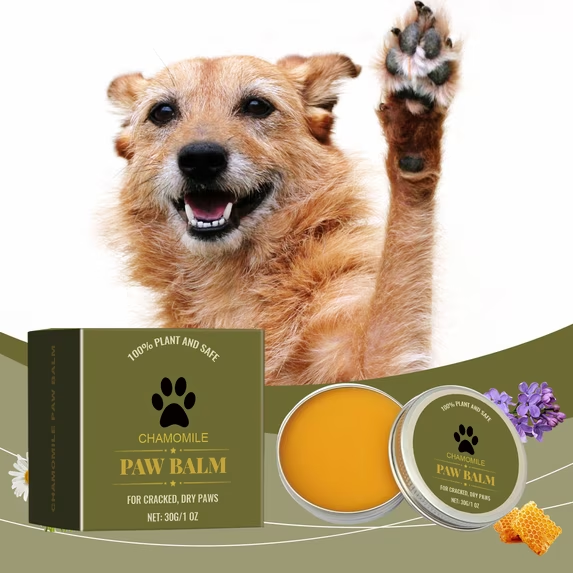
Your dog’s paws handle a lot every day.
They touch pavement, grass, gravel, sand, snow, and indoor floors.
Over time, these surfaces can leave paw pads dry and rough.
Therefore, many owners use natural paw balm for dogs as part of regular care.
A good paw balm can support soft and healthy paw pads.
It can also help protect paws during outdoor activities.
However, the right formula matters more than attractive packaging.
Always choose a product made specifically for dogs.
What Is Natural Paw Balm for Dogs?
Natural dog paw balm is a topical product for canine paw pads.
It usually contains oils, waxes, butters, or plant-based ingredients.
These ingredients can help condition dry and rough skin.
Some formulas also create a light protective layer.
Unlike ordinary human lotion, dog paw balm suits canine use.
Dogs often lick their paws after applying any product.
Therefore, owners should choose formulas with dog-safe ingredients.
Always follow the directions provided by the manufacturer.
Benefits of Natural Paw Balm
Natural paw balm can support paw health in several ways.
First, it helps condition dry paw pads.
Second, it can reduce the effects of rough outdoor surfaces.
Finally, some formulas provide a protective layer against environmental exposure.
However, balm does not replace proper paw care.
Your dog still needs regular inspections after outdoor activities.
You should also clean the paws when necessary.
This simple routine can help you notice problems early.
Natural Ingredients to Look For
Ingredient quality matters when choosing a natural paw balm for dogs.
Many formulas contain plant oils and natural waxes.
Some also include shea butter or vitamin E.
These ingredients can help maintain comfortable and conditioned paw pads.
Beeswax is common in many protective balm formulas.
It can help create a barrier over the skin.
Plant oils can provide additional conditioning.
Meanwhile, shea butter can help soften rough areas.
Still, natural does not automatically mean safe.
Dogs can react differently to individual ingredients.
Therefore, check the complete ingredient list before use.
Ask your veterinarian if your dog has sensitive skin.
Paw Balm for Dry and Cracked Paws
Dry paw pads can become rough after repeated outdoor exposure.
Cold weather can also contribute to dryness.
Likewise, rough pavement can increase mechanical stress.
A suitable balm can help keep mildly dry pads conditioned.
However, severe cracks need more attention.
Deep cracks can become painful and may start bleeding.
Swelling, discharge, or persistent licking also deserves attention.
In these situations, contact your veterinarian instead of relying on balm alone.
Natural Paw Balm for Winter
Winter can create several challenges for dog paws.
Snow and ice can collect around the feet.
Road salt can also irritate sensitive paw pads.
Additionally, dogs may lick salt residue from their feet.
A winter paw balm can provide useful surface protection.
Apply it according to the product instructions before outdoor walks.
After returning home, check your dog’s paws carefully.
Then clean away visible salt, dirt, or ice.
For severe winter conditions, dog boots may offer additional protection.
Some dogs need time to become comfortable wearing them.
Therefore, introduce boots gradually before long walks.
Summer can also challenge your dog’s paws.
Hot pavement can become uncomfortable or dangerous.
As a result, walking during cooler hours can reduce exposure.
Grass and shaded routes may also provide better alternatives.
Paw balm should not encourage longer walks on hot surfaces.
Instead, treat it as part of general paw maintenance.
Always check the ground before taking your dog outside.
If your dog suddenly refuses to walk, inspect the paws immediately.
How to Apply Natural Paw Balm
Applying paw balm takes only a few simple steps.
First, check the paws for cuts or foreign objects.
Next, clean and dry them if they are dirty.
Then apply a small amount of balm to each pad.
Massage the product gently across the paw pads.
Avoid using an unnecessarily thick layer.
Excess product can make indoor floors slippery.
Also, follow the application instructions on the product label.
You can reward your dog after application.
This can help create a positive paw-care routine.
Over time, many dogs become comfortable with the process.
Consistency makes regular paw checks much easier.
How to Choose Natural Paw Balm for Dogs
Choosing the right product starts with your dog’s needs.
Consider the weather, activity level, and condition of the paws.
For example, hiking dogs may need stronger outdoor protection.
Meanwhile, indoor dogs may only need occasional conditioning.
Look for clear ingredient information and simple directions.
Choose products specifically formulated for dogs.
Avoid products with unclear safety information.
Also, be cautious with heavily fragranced formulas.
| Feature | What to Consider |
| Ingredients | Dog-safe oils, waxes, and butters |
| Formula | Suitable for canine paw care |
| Texture | Easy to apply without excessive greasiness |
| Outdoor use | Helpful for active or hiking dogs |
| Winter use | Useful against dryness and environmental exposure |
| Packaging | Clear instructions and ingredient information |
Natural Paw Balm vs. Dog Boots
Paw balm and dog boots provide different types of protection.
Balm works directly on the paw pads.
Boots create a physical barrier around the feet.
Therefore, some outdoor situations may benefit from both.
Boots can help during harsh weather or rough terrain.
However, some dogs strongly dislike wearing them.
Balm offers a simpler option for routine paw conditioning.
Your dog’s environment should guide your choice.
Can You Use Human Lotion on Dog Paws?
Human lotion is not automatically suitable for dogs.
Some products contain fragrances or ingredients dogs should not ingest.
Dogs can easily lick lotion from their paws.
Therefore, a dog-specific product is generally a safer choice.
Avoid experimenting with random household skin products.
Instead, choose a formula designed for canine use.
If your dog’s paws remain irritated, investigate the underlying cause.
Persistent problems may require professional veterinary advice.
When Paw Balm Is Not Enough
Paw balm works best for routine maintenance.
It should not replace veterinary treatment for serious injuries.
Watch for bleeding, deep cracks, swelling, discharge, or severe pain.
Persistent limping also deserves professional attention.
Excessive paw licking can have several possible causes.
For example, irritation, allergies, infection, or injury can trigger it.
Therefore, do not assume dryness is always responsible.
A veterinarian can help identify the actual problem.
Conclusion
Natural paw balm for dogs can support healthy and comfortable paw pads.
It works especially well as part of a consistent care routine.
Choose dog-specific formulas with clearly listed ingredients.
Also, consider your dog’s lifestyle before selecting a product.
Check your dog’s paws regularly after outdoor activities.
Clean them after exposure to salt or other irritants.
Avoid extremely hot or hazardous walking surfaces whenever possible.
Finally, seek veterinary advice when paw problems become severe or persistent.
FAQs About Natural Paw Balm for Dogs
1. Is natural paw balm safe for dogs?
A dog-specific balm can be suitable when used correctly.
Always check its ingredients and follow the label instructions.
2. Can paw balm help dry dog paws?
Yes, suitable balms can condition mildly dry paw pads.
However, severe cracking requires closer attention.
3. How often should I use dog paw balm?
Follow the manufacturer’s recommended application schedule.
Your dog’s activity and environment can also affect frequency.
4. Can I use human lotion on my dog’s paws?
It is better to use products specifically made for dogs.
Human lotions may contain unsuitable ingredients.
5. Can paw balm replace dog boots?
No, they provide different forms of protection.
Boots cover the paws, while balm conditions and protects the surface.
Pingback: Best Dog Paw Balm: Protect & Heal Cracked Paws (2026)