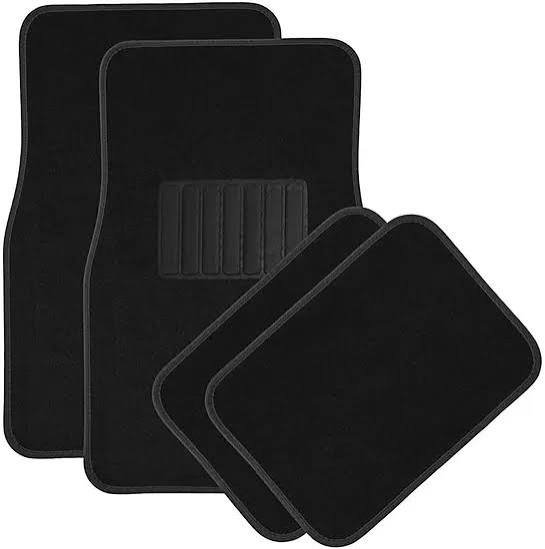
Your car floor takes more punishment than you may realize. Every time you enter the vehicle, you bring something with you—dust from the road, moisture from wet shoes, mud, sand, food crumbs, and sometimes spilled drinks. Over months and years, that everyday traffic can leave the original carpet looking tired, stained, and difficult to clean. This is why rubber or carpet covers to protect the car floor are such a practical interior accessory. A simple floor cover acts like a protective shield between your shoes and the vehicle’s original flooring, helping you keep the cabin cleaner while reducing everyday wear. Current automotive guidance also shows that the material you choose should depend on your climate, driving habits, cleaning preferences, and desired interior appearance. Rubber or vinyl mats generally provide stronger moisture and dirt resistance, while carpet mats are valued for their appearance and comfortable feel.
The choice is not simply about which material looks better. Think of your car floor as the floor inside your home: if people constantly walk through the house with muddy shoes, a washable protective surface makes sense. If the environment is normally clean and dry, a softer decorative covering may be perfectly suitable. The same logic applies to your vehicle. A driver who regularly travels through rainy roads, dusty streets, construction areas, or muddy tracks may appreciate the easy-cleaning qualities of rubber. Someone who mainly drives to an office on clean city roads may prefer the softer and more factory-like appearance of carpet. Recent comparisons of rubber and carpet mats similarly identify rubber as particularly useful for wet and dirty conditions, while carpet emphasizes comfort and aesthetics.
Why Car Floor Protection Matters
The original carpet underneath your floor mats is not designed to be completely exposed to constant dirt and moisture. Shoes grind small particles into the fibers, while spilled liquids can penetrate deeper than you might expect. Over time, repeated pressure can flatten carpet fibers, and accumulated moisture can contribute to unpleasant smells if the material is not properly dried. A good floor cover creates a replaceable protective layer, meaning the inexpensive accessory receives much of the abuse instead of the vehicle’s original carpet. This is particularly useful if you plan to keep the vehicle for many years or want to maintain its interior in good condition. Floor mats are therefore more than a decorative accessory; they are part of a simple interior-maintenance strategy.
Another important benefit is easier cleaning. Removing a floor cover and cleaning it is much simpler than trying to clean the permanently installed carpet beneath it. Rubber covers can generally be removed, rinsed, wiped, and dried relatively quickly, while carpet covers usually need vacuuming and spot treatment. AutoZone’s current guidance also recommends regular cleaning and explains that custom-fit mats can provide better coverage than universal designs. The more effectively a mat catches dirt before it reaches the factory carpet, the less time you have to spend cleaning the actual vehicle floor. In this sense, the best floor cover is not necessarily the most expensive one; it is the one that fits properly and matches the mess your vehicle encounters.
What Damages a Car Floor?
Car floors are exposed to several types of contamination during normal driving. Dry dust and sand are common, but moisture can be much more troublesome because it can become trapped beneath a poorly maintained mat. Food and drink spills introduce another problem because they may leave stains or odors if they are not cleaned promptly. Pet hair, mud, grass, and small stones can also accumulate in the footwell, especially when passengers frequently enter and leave the vehicle. Families with children may face an even wider range of spills and debris.
The type of damage depends heavily on the environment. A vehicle driven mainly in a dry urban area may experience mostly dust and crumbs, while a vehicle used in rainy or muddy conditions may face substantially more moisture. A work vehicle can experience heavy dirt, grease, and abrasive debris, whereas a luxury sedan may primarily need protection from ordinary foot traffic. Understanding this difference makes the rubber-versus-carpet decision much easier. Instead of asking which material is universally better, ask which material protects your particular car floor from the problems you actually encounter.
Dirt, Water, Spills, and Daily Wear
Water is one of the biggest reasons many drivers choose rubber floor covers. Rubber and similar all-weather materials are designed to keep liquid on or within the surface rather than immediately absorbing it like a traditional textile. Raised edges and molded channels can help contain water, mud, and debris, although the exact performance depends on the specific design. Carpet, by comparison, can absorb moisture and may require more extensive cleaning when a substantial spill occurs. Current comparisons consistently identify moisture resistance and easy cleaning as major advantages of rubber mats.
Daily wear also matters. The driver’s mat receives repeated pressure from the same shoes in approximately the same area, making that position especially vulnerable to flattening and wear. A quality cover absorbs much of that repeated contact. Once the cover becomes worn, it can be replaced without replacing the vehicle’s original flooring. This makes floor covers a relatively straightforward way to reduce the visible effects of daily use while keeping the interior easier to maintain.
Rubber Car Floor Covers Explained
Rubber car floor covers are designed primarily around practicality. They are commonly available as basic flat mats, molded all-weather mats, and vehicle-specific floor liners. Modern products may use rubber-like compounds such as TPE or TPR rather than traditional natural rubber, so the word “rubber” often describes the category rather than one exact material. Many designs feature textured surfaces, grooves, raised borders, and attachment points intended to keep the mat positioned correctly. The exact combination of features varies considerably between products, so it is useful to inspect the fit and construction rather than judging a mat by its material name alone.
The biggest attraction is straightforward: rubber is practical when the floor is likely to encounter water, mud, and heavy dirt. Instead of allowing moisture to soak into fibers, a properly designed rubber mat gives you a surface that can be removed and cleaned. This makes it particularly convenient for people who do not want to spend a lot of time shampooing their car interior. Rubber can also be useful in vehicles used for outdoor activities, family transportation, pets, or demanding work. However, rubber is not automatically the correct choice for everyone. Some drivers prefer the softness and appearance of carpet, while others may dislike the more functional appearance of all-weather mats.
Benefits of Rubber Covers
One of the main benefits is moisture protection. Rainwater, wet shoes, mud, and accidental spills are easier to manage when the protective cover does not readily absorb liquid. A well-designed mat can also have channels that direct water and debris away from the central foot area. This is particularly useful during periods of heavy rain or when the vehicle frequently travels on unpaved roads.
Cleaning is another major advantage. Instead of repeatedly vacuuming and shampooing a textile surface, you can normally remove a rubber mat and clean its surface with appropriate water and cleaning products. Rubber covers also tend to tolerate heavy use well, although durability depends on material quality, thickness, construction, and exposure to heat. A cheap universal mat may not perform like a high-quality vehicle-specific liner. Therefore, “rubber” should not be treated as a guarantee of quality.
Water and Mud Protection
For drivers dealing with wet or muddy conditions, a raised-edge rubber cover can be especially useful. The raised perimeter creates a small containment area, while molded channels can help keep liquid and debris away from areas where they could reach the carpet. Some current product guides describe raised sidewalls and custom-shaped designs as important features for containing water, mud, gravel, and other debris.
This does not mean a rubber mat can be ignored. Water trapped inside the mat should still be removed and the underlying carpet should occasionally be checked and dried. Dirt can also collect underneath a mat if it is not removed for cleaning. The goal is to create a protective barrier, not to create a permanently sealed space. Regular removal, inspection, and cleaning keep the system working properly.
Carpet Car Floor Covers Explained
Carpet car floor covers remain popular because they offer a different combination of qualities. Instead of focusing primarily on maximum weather resistance, carpet mats emphasize appearance, comfort, and integration with the vehicle’s interior. They can provide a softer surface beneath the feet and often resemble the original factory flooring more closely than rubber alternatives. Carpet mats are also available in different colors, textures, thicknesses, and patterns, making them useful for drivers who want their interior to look coordinated rather than purely functional.
Carpet does not mean poor protection. A quality carpet mat can still capture dust, crumbs, sand, and ordinary road debris before those materials reach the factory floor. The main difference is how it handles moisture and heavy contamination. Carpet fibers can hold dirt and absorb liquids, so maintaining them usually requires more effort. Current automotive guidance describes carpet mats as comfortable and attractive but less resistant to moisture and heavy abuse than rubber or vinyl alternatives.
For a clean, dry environment, however, carpet may make perfect sense. If your car spends most of its time traveling between home, an office, shopping centers, and paved roads, you may not need maximum water containment. In that situation, a well-fitted carpet mat can protect the original flooring while maintaining a comfortable, refined cabin appearance. The important thing is to recognize its limitations and clean spills quickly rather than allowing moisture to remain trapped in the fibers.
Rubber vs Carpet Car Floor Covers
The differences become clearer when the two options are placed side by side. Rubber generally focuses on durability, moisture resistance, and easy cleaning, whereas carpet focuses on comfort, appearance, and a factory-style interior. Neither material eliminates the need for maintenance. Both should fit correctly, remain secure, and be cleaned regularly. AutoZone’s current comparison similarly identifies rubber/vinyl mats as stronger for moisture and dirt protection and carpet as stronger for appearance and comfort.
| Feature | Rubber Covers | Carpet Covers |
|---|---|---|
| Water resistance | High | Low to moderate |
| Mud protection | Excellent with raised edges | Moderate |
| Cleaning | Usually quick and simple | Requires vacuuming and spot cleaning |
| Comfort | Firm | Softer |
| Appearance | Functional and modern | Factory-style and decorative |
| Heavy-duty use | Well suited | Less suited |
| Dry everyday driving | Very good | Very good |
| Wet conditions | Excellent | Less convenient |
| Maintenance | Low to moderate | Moderate to high |
| Custom-fit options | Widely available | Widely available |
The table shows why the decision should be based on usage rather than marketing claims. If your priority is keeping liquid away from the original carpet, rubber has practical advantages. If your priority is a soft surface and an interior that closely matches the vehicle’s original appearance, carpet may suit you better. There is also a middle ground: some drivers use carpet mats during cleaner seasons and switch to all-weather mats when conditions become wetter. Automotive guidance specifically recognizes seasonal switching as one practical approach.
Cleaning and Maintenance Differences
Cleaning is one of the most noticeable differences between rubber and carpet. Rubber mats can usually be removed from the vehicle, shaken to release loose debris, washed appropriately, and dried before installation. Because the material does not behave like absorbent textile, many ordinary spills are easier to deal with. Carpet mats require more attention because dust and fine particles can become embedded between the fibers. Vacuuming is therefore important, followed by suitable spot cleaning when drinks, food, mud, or other substances create stains.
Neither material should simply be cleaned and immediately forgotten. A wet mat should be allowed to dry properly before being returned to the vehicle. This is particularly important in humid conditions because trapped moisture can contribute to unpleasant odors. AutoZone recommends regular cleaning and notes that rubber/all-weather mats can be sprayed down and dried, while carpet mats require vacuuming and appropriate carpet cleaning.
A simple maintenance routine can extend the useful life of either type. Check the driver’s mat regularly because it experiences the greatest amount of movement and pressure. Inspect the underside for trapped dirt and make sure attachment points remain functional. If a mat becomes cracked, badly worn, curled, or unable to stay correctly positioned, replacing it is more sensible than continuing to use a compromised cover.
Choosing Covers for Different Weather Conditions
Weather should play a major role in choosing your floor protection. In regions with frequent rainfall, muddy roads, or seasonal storms, rubber or all-weather covers can simplify interior maintenance. They are especially practical when passengers regularly enter the vehicle with wet footwear. A carpet mat can still work in these conditions if it is cleaned and dried carefully, but the maintenance burden is generally higher.
Dry environments create a different situation. If most of the dirt entering the car is fine dust rather than water or mud, a carpet mat may provide enough protection while offering a softer and more visually integrated interior. A rubber mat can still be used, of course, but its primary advantages may not be as important in a consistently dry environment. The right choice therefore depends on the combination of weather and driving conditions rather than climate alone.
A seasonal approach can also be useful. Carpet can provide a comfortable, attractive surface during cleaner and drier periods, while rubber can take over when rain and mud become frequent. This approach requires storing the unused set properly, but it gives drivers flexibility without forcing one material to handle every possible condition.
Safety and Proper Floor-Mat Fit
Protection should never come at the expense of safe pedal operation. A floor mat must stay securely in its intended position and must not interfere with the accelerator or brake pedals. Safety investigations have documented situations in which unsecured, incorrectly positioned, or stacked floor mats interfered with accelerator-pedal movement.
This is why vehicle-specific attachment systems matter. If your car has factory retention hooks, clips, or pins, use them according to the vehicle manufacturer’s instructions. Do not place one floor mat on top of another unless the manufacturer specifically approves that configuration. Transport Canada’s safety advisory likewise recommends using only one set of mats and ensuring that aftermarket mats cannot move while driving.
Before driving after installing a new mat, move the driver’s seat through its normal range and check the pedals carefully. Make sure the mat does not touch, overlap, or restrict pedal movement. A beautifully designed mat that moves under your feet is not a good solution. Fit, retention, and pedal clearance should always come before appearance.
How to Choose the Right Car Floor Cover
Start by thinking about your actual driving routine. Do you regularly encounter rain, mud, sand, or dirty roads? Do children or pets frequently ride in the vehicle? Do you transport equipment or work materials? If the answer is yes to several of these questions, an easy-clean rubber or all-weather design may be more convenient.
If your vehicle is mainly used for clean urban driving and you care strongly about interior appearance, carpet may be more suitable. It can give the cabin a softer, more traditional appearance and provide a comfortable surface underfoot. The key is not to select a material simply because it is advertised as “premium.” Look at construction, coverage, attachment points, cleaning requirements, and compatibility with your specific vehicle.
Fit is particularly important. Universal mats can be inexpensive and flexible, but they may leave uncovered areas or move more easily if their dimensions are not appropriate. Custom-fit mats are shaped for a particular vehicle’s footwell and can provide broader coverage. AutoZone’s current guide notes that universal, trim-to-fit, and custom-fit mats differ in coverage and fitment, with custom-fit designs generally providing the most precise fit.
Before purchasing, consider these factors:
- Vehicle compatibility: Choose a cover designed for your exact make, model, and year where possible.
- Coverage: Look for enough surface area to protect the areas where shoes actually rest.
- Retention: Make sure the driver’s mat works with the vehicle’s factory attachment system.
- Weather: Choose rubber or all-weather protection when moisture and mud are frequent.
- Interior style: Choose carpet if comfort and factory-style appearance are major priorities.
- Maintenance: Consider how much time you want to spend cleaning the mats.
- Material quality: Inspect thickness, edges, backing, and construction rather than relying only on the material label.
The smartest purchase is usually the one that fits your lifestyle instead of the one with the longest list of features. A simple carpet mat may be enough for one driver, while another driver may genuinely need a deeper all-weather liner. Your roads, weather, passengers, pets, and cleaning habits tell you much more about the right choice than a generic “best mat” claim.
Conclusion
Rubber or carpet covers to protect the car floor can both serve an important purpose, but they do so in different ways. Rubber covers are particularly practical for water, mud, spills, heavy use, and quick cleaning. Carpet covers provide a softer feel and often blend more naturally with the original vehicle interior. Neither option is universally right for every driver, so the best approach is to match the material with your environment and everyday driving habits.
Whatever material you choose, proper fit should remain a priority. A floor cover should protect the original carpet without moving around the footwell or interfering with pedal operation. Regular cleaning also matters because even the best mat cannot protect effectively if dirt and moisture are allowed to accumulate underneath it. With the right fit, appropriate material, and simple maintenance routine, floor covers can help keep your vehicle’s interior cleaner and more comfortable for years.
FAQs About Car Floor Covers
1. Are rubber or carpet covers better for protecting a car floor?
Both can protect the original floor, but they emphasize different benefits. Rubber covers generally provide stronger protection against water, mud, and spills, while carpet covers provide a softer feel and more traditional appearance. Your climate and driving habits should guide the decision.
2. Are rubber car floor mats good for rainy weather?
Yes. Rubber and all-weather mats are particularly useful in wet conditions because they resist moisture and are easier to clean than absorbent carpet mats. Raised edges and channels can provide additional containment, depending on the design.
3. Can carpet floor mats protect the original car carpet?
Yes. Carpet mats create a protective layer that catches much of the dust, dirt, and debris entering the vehicle. However, they need regular vacuuming and prompt treatment when spills occur because carpet can absorb moisture.
4. Should I use two floor mats together for extra protection?
Generally, no. Floor mats should not be stacked unless the vehicle manufacturer specifically permits it. Safety guidance has documented the possibility of improperly positioned or stacked mats interfering with pedal movement.
5. How often should car floor covers be cleaned?
Clean them whenever dirt or moisture accumulates, with regular cleaning being especially important for the driver’s mat. Carpet mats normally need vacuuming and spot cleaning, while rubber mats can usually be removed and washed more easily. Always allow wet mats to dry properly before reinstalling them.
Pingback: Fabric or Leather Shields for Car Seats: