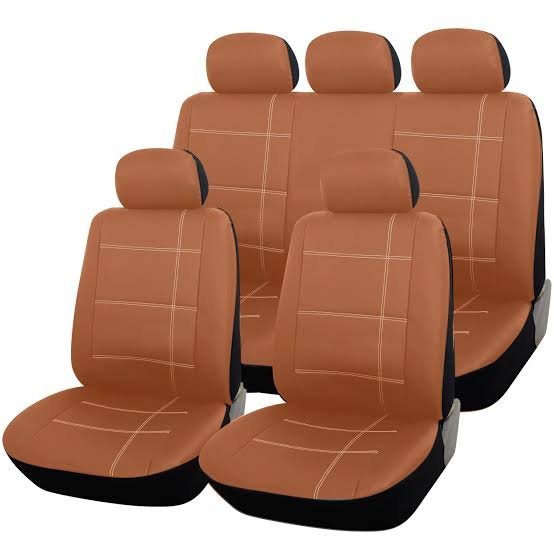
Fabric or leather shields for car seats are protective covers or fitted layers designed to help protect vehicle seats from everyday dirt, spills, friction, pet hair, food crumbs, and general wear. They can be made from materials such as polyester, nylon, canvas, neoprene, mesh, synthetic leather, genuine leather, or combinations of several materials.
Think of them as a protective barrier between your passengers and the original upholstery.
A good shield doesn’t just cover a seat. It should fit securely, remain comfortable during driving, and work with the features already built into the vehicle. Depending on the design, a car seat shield may cover the seat cushion, seatback, headrest, or the entire seating area.
Some drivers choose them mainly for protection. Others use them to refresh an older interior or create a more coordinated appearance.
Why Protecting Your Car Seats Matters
Car seats receive a lot of daily punishment. Drivers and passengers slide across the upholstery, carry drinks, eat snacks, bring pets into the cabin, and enter the vehicle with dust or moisture on their clothing.
Over time, these small events can leave noticeable marks.
Protective covers can help reduce this everyday exposure. They may also make cleaning easier because you can often remove the cover instead of trying to clean the original upholstery every time something spills.
However, protection shouldn’t come at the expense of safety. NHTSA explains that aftermarket seat covers are considered motor-vehicle equipment and specifically discusses the importance of considering how seat covers interact with vehicle safety systems, including side airbags.
That means choosing the right design is more important than simply choosing the cheapest cover.
Protection From Spills and Stains
Fabric upholstery can absorb liquids quickly. Coffee, juice, water, sauces, and other spills may leave marks if they’re not cleaned promptly.
A water-resistant fabric shield can give you more time to clean up a spill before it reaches the underlying upholstery.
Leather and synthetic leather have a different advantage. Their relatively smooth surfaces are generally easy to wipe clean. However, leather still requires appropriate care because harsh cleaners, excessive moisture, and direct sunlight can affect its appearance.
For families, commuters, rideshare drivers, and pet owners, easy-clean materials can be particularly practical.
Reducing Wear and Tear
Seat edges and cushion areas often experience repeated friction. Getting in and out of the vehicle thousands of times can gradually affect the original upholstery.
A properly fitted shield can take some of this daily wear.
This can be especially useful when the vehicle is frequently used for:
- Long-distance travel
- Family transportation
- Business trips
- Rideshare services
- Pet transportation
- Outdoor activities
- Daily commuting
Protection won’t make upholstery indestructible, of course. Still, a suitable cover can help reduce direct contact with dirt and friction.
Improving Interior Appearance
Protection doesn’t have to look boring.
Modern car seat shields are available in many colors, textures, patterns, and finishes. Fabric options can create a softer, more relaxed cabin, while leather-style covers can provide a cleaner and more premium appearance.
For example, a black leather-style shield can complement dark dashboards and door panels. A gray fabric cover may create a more understated look. Two-tone designs can also coordinate with existing interior colors.
The key is to choose something that looks intentional rather than simply covering the original seat.
Fabric vs. Leather Car Seat Shields
Choosing between fabric and leather depends on how you use your vehicle.
Fabric is often associated with comfort, breathability, flexibility, and affordability. Leather and synthetic leather are commonly selected for their smooth appearance, wipe-clean surfaces, and premium styling.
Neither material is automatically perfect for every vehicle.
Benefits of Fabric Shields
Fabric covers are popular because they’re available in many textures and thicknesses.
Common fabric choices include:
- Polyester
- Nylon
- Canvas
- Neoprene
- Mesh
- Quilted textile
- Microfiber
Fabric can feel comfortable against clothing, particularly during longer drives. Breathable designs may also be more comfortable in warm climates.
Another advantage is variety. You can find simple universal covers, custom-fit designs, sporty patterns, luxury-looking fabrics, and heavily padded options.
For a vehicle that experiences frequent family use, a washable fabric shield can be a practical choice.
Benefits of Leather Shields
Leather shields can create a more refined appearance.
Genuine leather is a natural material, while synthetic leather options such as PU or PVC are manufactured alternatives. The exact performance depends heavily on the product’s construction and quality.
Leather-style covers are often attractive to drivers who want:
- A sleek interior
- Easy surface cleaning
- A premium appearance
- Better resistance to some everyday spills
- A structured seat-cover design
Still, leather can become warm when exposed to strong sunlight. It may also require more attention to prevent drying, cracking, or surface damage.
Fabric vs. Leather Comparison
| Feature | Fabric Shield | Leather Shield |
|---|---|---|
| Comfort | Often soft and breathable | Smooth and supportive |
| Cleaning | Depends on fabric | Usually easy to wipe |
| Hot-weather feel | Often better with breathable fabric | Can become warm |
| Style | Casual and versatile | Premium and polished |
| Water resistance | Depends on coating | Generally good on surface |
| Design variety | Very high | High |
| Maintenance | Often washable | Needs suitable cleaning |
| Cost | Low to high | Low to premium |
| Pet use | Good with durable fabrics | Easy to wipe, but claws may scratch |
| Family use | Excellent with washable options | Good with easy-clean designs |
The most important point is that material alone doesn’t determine quality. Stitching, fit, padding, fastening, ventilation, and compatibility with the vehicle all matter.
11 Smart Ideas for Car Seat Protection
There are many ways to protect vehicle upholstery without making the interior look outdated. Here are 11 practical ideas to consider.
1. Waterproof Fabric Seat Shields
Water-resistant fabric shields are useful for people who regularly carry children, pets, sports equipment, or outdoor gear.
A coated polyester or similar material can help prevent small spills from immediately reaching the original upholstery.
Look for:
- Water-resistant construction
- Secure straps
- Reinforced seams
- Washable material
- Non-slip backing
- Vehicle-specific sizing where available
Remember, “water-resistant” doesn’t always mean completely waterproof. Check the manufacturer’s specifications before relying on a product for heavy moisture exposure.
2. Quilted Seat Covers
Quilted covers add both protection and visual texture.
Their layered construction can help protect seats from everyday friction while providing a slightly cushioned feel. Some designs include foam or padding between fabric layers.
They’re particularly suitable when you want protection without a very industrial appearance.
Quilted patterns can also give an older vehicle a refreshed interior.
3. Custom-Fit Leather Shields
Custom-fit leather or synthetic leather shields are designed around the dimensions and features of a particular vehicle seat.
Compared with universal covers, a custom-fit product can provide a cleaner appearance because it follows the seat’s contours.
When shopping, check whether the design accommodates:
- Headrests
- Armrests
- Seat controls
- Seat belts
- Folding mechanisms
- Seat-mounted airbags
- Occupant sensors
Don’t assume that a cover is compatible simply because it fits physically.
4. Breathable Mesh Covers
If heat is a concern, mesh covers can be worth considering.
Their open construction allows greater airflow than many thick, non-breathable materials. This can make the seat feel more comfortable during warm weather.
Mesh is particularly useful for drivers who spend long periods behind the wheel.
However, mesh isn’t always the strongest option for heavy-duty protection. For frequent pet or cargo use, a tougher material may be more appropriate.
5. Pet-Friendly Seat Protection
Pets can create a unique combination of problems: hair, dirt, moisture, scratches, and odors.
A pet-friendly seat shield should ideally be:
- Durable
- Easy to clean
- Water resistant
- Securely attached
- Resistant to slipping
- Large enough for the intended seating area
For pets that ride in the back seat, a hammock-style design can also help protect both the seat cushion and part of the seatback.
6. Child-Friendly Seat Shields
Families may benefit from washable, stain-resistant covers.
Children can accidentally spill drinks, drop food, or transfer dirt onto seats. A removable cover can make cleanup considerably easier.
However, child safety restraints require special attention. Don’t place aftermarket material underneath or around a child restraint unless the restraint manufacturer specifically permits it. NHTSA notes that excessive padding or material can interfere with restraint performance in certain circumstances.
Always follow the child-restraint manufacturer’s instructions.
7. Heated-Seat Compatible Covers
If your vehicle has heated or ventilated seats, compatibility becomes especially important.
A thick cover can change how heat or airflow reaches the occupant. Some covers may also be unsuitable for specific seat systems.
Before purchasing, check both the vehicle owner’s manual and the cover manufacturer’s compatibility information.
Don’t assume that a cover advertised as “universal” automatically works with every powered or heated seat.
8. Full Seatback Protection
Full-coverage shields protect more than the seating surface.
They’re useful when you want to cover:
- Seat cushion
- Seatback
- Headrest
- Side areas
- Rear-facing seatback areas
This design can be helpful for families and pet owners.
For front seats, however, the cover must be designed to work with the vehicle’s safety equipment. NHTSA has specifically discussed concerns about aftermarket seat covers and seat-mounted side airbags.
9. Partial Seat Shields
Not everyone needs a complete cover.
A partial shield can protect the area that receives the most wear while leaving much of the original upholstery visible.
This approach works well if you want a subtle appearance.
For example, you might protect only the lower seat cushion or the area used by a child or pet.
10. Eco-Friendly Materials
Drivers who want to reduce reliance on conventional synthetic materials can explore recycled or plant-derived textiles where available.
Look for transparent product information about:
- Recycled fibers
- Manufacturing materials
- Durability
- Cleaning requirements
- Product lifespan
- Packaging
A durable product that lasts for years may also reduce the need for frequent replacement.
11. Decorative Fabric and Leather Designs
Seat protection can double as interior decoration.
You can choose designs that match:
- Dashboard trim
- Door panels
- Floor mats
- Steering wheel accents
- Ambient lighting
- Center-console finishes
For a cohesive interior, avoid mixing too many unrelated colors or textures.
A simple two-tone design often looks more coordinated than several competing patterns.
How to Choose the Right Car Seat Shield
Choosing fabric or leather shields for car seats starts with understanding how the vehicle is used.
A daily commuter may prioritize comfort and appearance. A family may prioritize washable protection. A pet owner may need heavy-duty construction. Someone restoring an older car may care more about appearance.
Check Seat Compatibility
Start with the exact make, model, year, and trim of the vehicle.
Seat dimensions can differ even between trims of the same model.
Check whether the shield accommodates:
- Headrests
- Seat belts
- Armrests
- Controls
- Fold-down seats
- Power-seat functions
- Heating and ventilation
- Seat-mounted airbags
Consider Airbag Locations
This is one of the most important considerations.
Many modern vehicles use airbags integrated into or around the seats. A cover that blocks or restricts deployment could interfere with the safety system.
NHTSA says vehicle owners should avoid aftermarket equipment that reduces the effectiveness of safety features and notes that seat covers can be designed so they don’t affect side-airbag deployment.
The vehicle owner’s manual should be your first reference.
NHTSA’s airbag guidance also explains that side airbags deploy rapidly and are intended to provide protection during side impacts.
For additional safety information, see NHTSA’s Air Bags safety guidance.
Choose the Right Material
Consider your daily environment.
| Your Situation | Material to Consider |
|---|---|
| Hot climate | Breathable fabric or mesh |
| Frequent spills | Water-resistant fabric or suitable leather-style material |
| Pets | Heavy-duty fabric or pet-specific cover |
| Children | Washable fabric |
| Premium appearance | Leather or synthetic leather |
| Long drives | Breathable, comfortable fabric |
| Minimal styling | Simple fitted cover |
Installation and Maintenance Tips
Even a high-quality shield can perform poorly if it’s installed incorrectly.
Start by reading the product instructions rather than rushing through installation.
Basic Installation Steps
- Clean the seat surface.
- Identify the front, rear, and side sections of the cover.
- Position the cover evenly.
- Secure straps and fasteners.
- Check that the cover isn’t interfering with seat belts.
- Confirm that seat controls remain accessible.
- Check airbag areas carefully.
- Move the seat through its normal range of adjustment.
- Sit down and check for excessive movement.
- Recheck the fit after a short drive.
A loose cover can slide, bunch, or become uncomfortable.
Cleaning Fabric Shields
Follow the manufacturer’s washing instructions.
For washable fabric:
- Vacuum loose debris first.
- Treat stains promptly.
- Use the recommended detergent.
- Avoid harsh chemicals unless approved.
- Allow the cover to dry completely before reinstalling.
Cleaning Leather Shields
Use a cleaner specifically intended for the material.
Synthetic leather and genuine leather aren’t necessarily maintained in exactly the same way. Always check the manufacturer’s recommendations.
Avoid aggressive scrubbing, especially on textured or coated surfaces.
Common Mistakes to Avoid
A few mistakes can reduce the usefulness of a seat shield.
Choosing Universal Fit Without Checking Compatibility
Universal covers can be convenient, but “universal” doesn’t mean “compatible with every vehicle feature.”
Ignoring Side Airbags
Never cover an area containing a seat-mounted airbag unless the cover is specifically designed and confirmed for that application.
NHTSA has stated that aftermarket seat covers aren’t directly subject to a specific FMVSS, but it also emphasizes considering their interaction with side airbags and other safety systems.
Using Excessive Padding
Very thick padding can change seating position and may interfere with certain restraint systems.
Buying Only for Appearance
A beautiful cover isn’t much help if it slides around or blocks controls.
Forgetting the Seat Belt
The seat belt must remain easily accessible and function normally.
Skipping the Owner’s Manual
Your vehicle’s manual may contain specific instructions about seat covers, airbags, sensors, heated seats, or other equipment.
When in doubt, check the manual or consult the vehicle manufacturer or qualified service professional.
Frequently Asked Questions
1. What are fabric or leather shields for car seats?
Fabric or leather shields for car seats are protective covers designed to reduce exposure to spills, dirt, friction, pet hair, and everyday wear. They are available in fabric, leather, synthetic leather, mesh, neoprene, and other materials.
2. Are fabric car seat covers better than leather?
It depends on your needs. Fabric can provide breathability and comfort, while leather and synthetic leather can offer a smooth appearance and easy surface cleaning. Fit, construction, compatibility, and intended use are also important.
3. Are leather seat shields easy to clean?
Generally, smooth leather and synthetic leather surfaces can be wiped more easily than many fabric surfaces. However, cleaning requirements vary by material, so it’s best to follow the manufacturer’s care instructions.
4. Can car seat covers interfere with airbags?
They can if they’re poorly designed or installed over a seat-mounted airbag. NHTSA specifically discusses the need to consider compatibility between aftermarket seat covers and side airbags. Always follow your vehicle manufacturer’s instructions.
5. Are waterproof seat covers worth using?
They can be useful for families, pet owners, commuters, and anyone who frequently deals with spills or moisture. A water-resistant cover can help protect upholstery, although waterproof performance depends on the specific product.
6. Can I use seat covers with heated seats?
Some covers are compatible with heated seats, while others may not be. Check the cover’s specifications and your vehicle owner’s manual before installation.
7. Are custom-fit seat covers better than universal covers?
Custom-fit covers are designed around particular seat dimensions and features, which can provide a more precise appearance and fit. Universal covers can be more affordable and flexible, but compatibility needs to be checked carefully.
8. How often should car seat shields be cleaned?
Clean them whenever they become visibly dirty or develop stains or odors. High-use vehicles may require more frequent cleaning than vehicles used occasionally.
9. Can seat covers protect leather car seats?
Yes. A properly selected protective cover can reduce exposure to dirt, spills, and friction. However, the cover should be compatible with the vehicle and shouldn’t interfere with airbags, sensors, seat belts, or other safety features.
Conclusion
Fabric or leather shields for car seats can be a practical way to protect vehicle upholstery while adding a fresh visual style to the cabin. Fabric options offer plenty of choices in comfort, breathability, and washability, while leather and synthetic leather designs can provide a sleek and easy-to-clean surface.
The right choice depends on how you use your vehicle.
For families, washable fabric may be useful. For pet owners, durable and water-resistant materials can make cleanup easier. For drivers focused on appearance, fitted leather-style designs can create a more polished cabin.
Above all, don’t sacrifice safety for style. Check the owner’s manual, confirm compatibility with seat-mounted airbags and other seat systems, and choose a cover designed specifically for your vehicle whenever possible. NHTSA’s published guidance highlights the importance of ensuring aftermarket seat covers don’t interfere with safety systems.