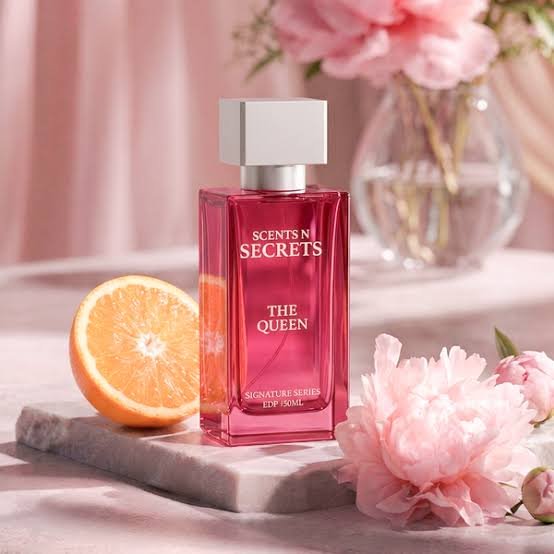
Choosing the right perfume is about much more than finding a bottle with an attractive design or picking a fragrance because everyone seems to be talking about it. Weather can dramatically change the way a fragrance feels, projects, and develops on your skin, which is why the perfume that smells beautiful on a cool winter evening may feel far too intense during a hot summer afternoon. Think of your fragrance collection like your wardrobe: you would not normally reach for a thick wool coat when the temperature is soaring, and perfume deserves the same kind of seasonal consideration. Current fragrance guides consistently point toward fresh citrus, aquatic, green, and airy floral profiles for warmer conditions, while woods, amber, vanilla, spices, and richer gourmand accords tend to suit cooler weather.
That does not mean there are strict perfume rules carved into stone. Personal taste always comes first. If you love vanilla in July, there is nothing stopping you from wearing it, although you may want to reduce the number of sprays when the temperature rises. Likewise, a bright citrus fragrance can work beautifully during winter if you enjoy its clean character or spend most of your time indoors. The real goal is to understand how perfume interacts with temperature, humidity, skin, clothing, and the setting around you. Once you understand that relationship, selecting a fragrance for spring, summer, autumn, or winter becomes much easier and much more enjoyable.
Why Choosing Perfume by Season Matters
Perfume contains aromatic materials that evaporate at different rates, and the surrounding environment influences that process. Warm weather generally makes fragrance project more quickly, meaning a scent that seems subtle in a cool room can become surprisingly noticeable after you step outside on a hot day. Cold weather can have the opposite effect, making some lighter fragrances feel quieter and less expansive. Humidity adds another variable because moisture in the air can influence how strongly certain fragrance characteristics are perceived. That is why seasonal perfume selection is less about following fashion and more about creating balance between the fragrance and the environment.
The simplest approach is to think about fragrance intensity, freshness, sweetness, and texture. During warmer months, fresh citrus, green notes, aquatic accords, tea, herbs, and sheer florals can create a cleaner sensation. During cooler months, amber, vanilla, woods, leather, incense, tobacco, spices, and gourmand notes can provide greater depth and warmth. Modern seasonal guides similarly recommend changing fragrance character according to actual weather rather than blindly following the calendar.
How Temperature Changes Fragrance Performance
Temperature is one of the easiest ways to understand seasonal perfume. Imagine fragrance as music: heat can turn up the volume, while cold conditions can make the same composition feel more restrained. A heavy amber or sweet vanilla may become very powerful in extreme heat, while a delicate floral may feel almost invisible outdoors during a cold evening. This is why the same fragrance can receive completely different reactions depending on when and where you wear it.
Your own skin also matters. People have different skin chemistry, hydration levels, and natural body temperatures, so a perfume can smell warmer, sweeter, drier, or fresher from one person to another. Clothing matters too. A fragrance sprayed onto a warm neck behaves differently from one lingering on a sweater or jacket. Rather than assuming that a perfume is universally a “summer” or “winter” fragrance, test it in the conditions where you actually plan to wear it.
Best Fragrance Notes for Spring
Spring is the season of transition, making it an ideal time for fragrances that sit comfortably between freshness and warmth. The weather can change dramatically from morning to afternoon, so extremely heavy or extremely sharp perfumes may not always feel balanced. Fresh florals, green notes, soft citrus, clean musk, tea, and gentle fruity accords are excellent places to start. These profiles can give a fragrance an energetic quality without making it feel too summery or too wintery.
Popular spring-style compositions often combine a sparkling opening with a soft floral or green heart and a clean base. Bergamot, neroli, pear, peony, jasmine, lily of the valley, iris, green tea, and soft woods are examples of notes that can create this effect. The appeal is versatility: such fragrances can work at the office, during brunch, while shopping, or at an outdoor event. Current seasonal fragrance guides commonly describe spring as a natural home for green, floral, watery, and lightly citrus-led compositions.
Best Spring Perfume Styles
When choosing a spring perfume, look for a composition that feels fresh but not aggressively sharp. A fragrance dominated by lemon or grapefruit may feel wonderfully energetic, but adding floral, musky, woody, or slightly creamy elements can make it more rounded. If you prefer feminine-leaning scents, rose, peony, jasmine, orange blossom, and soft fruity florals are worth exploring. If you prefer masculine or unisex fragrances, green tea, neroli, vetiver, cedar, citrus, and aromatic herbs offer plenty of possibilities.
Spring is also an excellent season for experimentation. You can move beyond traditional floral fragrances by exploring fig, violet leaf, matcha, mineral notes, soft suede, or modern musks. The objective is not to smell like a literal flower garden. Instead, seek a fragrance that creates the impression of freshness, movement, and renewal. If a perfume feels comfortable both outdoors and inside an air-conditioned room, you may have found an especially useful spring option.
Spring Fragrance Application Tips
Spring usually allows more flexibility than extreme summer or winter conditions, but moderation still matters. Start with a modest application and see how the perfume develops over several hours before adding more. Applying fragrance to moisturized skin can help reduce the feeling of a scent disappearing too quickly, while pulse points such as the wrists and neck can provide warmth for fragrance development.
Avoid judging a spring perfume immediately after spraying it. The opening notes are only the first chapter of the fragrance story. Give it time to reach the heart and base before deciding whether it belongs in your collection. A perfume that seems too citrusy at first may become beautifully floral after thirty minutes, while an initially pleasant sweet opening might become heavier later.
Best Perfume Fragrances for Summer
Summer is where seasonal fragrance selection becomes particularly important. Heat can amplify projection and sweetness, so dense perfumes that feel luxurious in cold weather can become overwhelming when temperatures climb. Summer fragrances generally benefit from freshness, airiness, and controlled sweetness. Citrus, aquatic, green, aromatic, tea, light fruity, and sheer floral profiles are among the easiest styles to wear comfortably.
Bergamot, lemon, mandarin, grapefruit, orange, mint, basil, cucumber, neroli, marine accords, and white musk are common choices for warm-weather compositions. These notes can create the sensation of cleanliness and freshness without relying on excessive sweetness. Current seasonal fragrance sources similarly emphasize citrus, aquatic, green, aromatic, and low-sweetness profiles for hot weather.
Summer Notes That Work Best
If you live somewhere with intense heat or humidity, consider perfumes that have a bright opening and relatively transparent base. Citrus can provide an immediate burst of freshness, while aquatic or mineral accords can create a breezy character. Green notes are another excellent choice because they can smell crisp and natural without becoming overly sweet. Light musks can add longevity while keeping the overall composition relatively clean.
Summer does not mean you must avoid every woody or spicy note. A fragrance containing cedar, vetiver, cardamom, or light sandalwood can still work beautifully if those notes are balanced with fresh ingredients. The trick is concentration and composition rather than one individual note. In very hot conditions, even a sophisticated fragrance may require fewer sprays than you would normally use during winter.
How to Wear Perfume in Hot Weather
Hot-weather perfume is a perfect example of why less can sometimes be more. Instead of applying several sprays because the fragrance initially seems faint, wait for a few minutes and allow your skin temperature to activate the composition. Heat may cause the perfume to become considerably stronger as you move through the day.
If you work in an office, travel on public transportation, or spend time in crowded indoor spaces, consider your surroundings. A fragrance that smells wonderful outdoors may feel much more intense inside a small room. For summer, controlled projection is often more comfortable than maximum projection. This is especially relevant in humid climates, where fragrance can feel fuller and more noticeable than expected.
Best Fragrances for Autumn
Autumn is where fragrance becomes warmer, deeper, and more textured without necessarily reaching the intensity associated with winter. Woods, amber, spices, suede, tea, soft vanilla, fig, tobacco, and darker fruits can all work beautifully during this transitional season. Autumn weather often gives you greater freedom because temperatures are moderate, allowing both fresh and richer compositions to work depending on the time of day.
A good autumn fragrance can feel like the olfactory equivalent of a textured jacket: comfortable, distinctive, and slightly warmer without being overwhelming. Cardamom, cinnamon, clove, cedar, sandalwood, amber, patchouli, plum, pomegranate, and cashmere-style musks are especially appealing when temperatures begin to fall. Recent fragrance coverage has highlighted warm spices, woods, darker fruits, and cashmere-like musks among notable fall profiles.
Autumn is also an excellent season for fragrances that combine contrasting elements. Imagine juicy fruit sitting over dry woods, or sparkling citrus gradually becoming amber and spicy. These transitions make autumn perfumes interesting because they can adapt to changing temperatures throughout the day. A lighter application can make a richer fragrance appropriate for daytime, while additional projection may work better for an evening event.
Best Winter Perfume Fragrances
Winter gives richer fragrances room to breathe. Amber, vanilla, oud, incense, leather, tobacco, tonka bean, sandalwood, cinnamon, cardamom, and dense woods can feel especially satisfying when the air is cold. These compositions often contain deeper base notes that provide warmth and persistence, creating a scent trail that feels more substantial than a lightweight summer cologne.
Winter is also the season for experimenting with gourmand perfumes. Vanilla, caramel, chocolate, coffee, roasted nuts, honey, and praline can create a cozy impression, while incense and woods can make sweetness feel more sophisticated. Sandalwood is another particularly versatile winter material, offering a creamy woody texture that can bridge the gap between fresh and intensely rich fragrance styles. Recent fragrance coverage has emphasized sandalwood’s popularity for autumn and winter because of its warm, creamy character.
Rich Notes for Cold Weather
When temperatures fall, consider perfumes with greater depth and density. Oud can provide a smoky, woody, resinous effect, while amber can create warmth and sweetness. Vanilla can make a composition soft and inviting, whereas leather and tobacco introduce darker, more dramatic textures. Spices such as cardamom, cinnamon, saffron, and clove can add complexity without necessarily making a fragrance sweet.
Not every winter perfume needs to be extremely powerful. A soft vanilla, elegant sandalwood, or subtle incense fragrance can be perfect for someone who prefers intimate projection. The best winter fragrance for you is ultimately the one whose intensity matches your personal taste and environment.
Winter Perfume Application Tips
Cold weather often rewards slightly more generous application, but that does not mean covering yourself in fragrance. Start with your normal number of sprays and adjust gradually. If your perfume is particularly concentrated, even cold temperatures may not justify heavy application.
Clothing can also retain fragrance much longer than skin. A spray on a coat or scarf may remain noticeable for an extended period, so be cautious when layering perfume onto fabrics. Always check whether the fragrance is suitable for the material before spraying directly onto clothing.
Seasonal Perfume Comparison Table
| Season | Recommended Fragrance Families | Popular Notes | General Character |
| Spring | Floral, green, fresh | Peony, jasmine, bergamot, tea, neroli | Bright, clean, uplifting |
| Summer | Citrus, aquatic, aromatic | Lemon, grapefruit, mint, marine notes, musk | Cool, crisp, refreshing |
| Autumn | Woody, spicy, amber | Cardamom, cedar, fig, amber, suede | Warm, smooth, sophisticated |
| Winter | Amber, gourmand, woody, resinous | Vanilla, oud, tobacco, sandalwood, incense | Rich, cozy, deep |
This table is best treated as a starting point rather than a rigid rulebook. A fragrance can easily cross seasonal boundaries when the temperature, application, and occasion change. For example, a woody fragrance with citrus can work in spring and autumn, while a clean musk may be comfortable throughout the entire year. Seasonal fragrance guides increasingly emphasize matching scent to actual climate rather than treating the four seasons as inflexible categories.
Best Perfume Families for Every Season
Understanding fragrance families makes shopping easier than memorizing hundreds of individual perfume names. If you enjoy freshness, explore citrus, aromatic, green, and aquatic compositions. If you prefer elegance, florals, musks, iris, and soft woods may be more appealing. If you want warmth, investigate amber, woody, spicy, leather, tobacco, and gourmand fragrances.
Think of fragrance families as different sections of a library. You do not need to read every book to know which shelf interests you. Once you discover that you consistently enjoy sandalwood, vanilla, citrus, or white musk, you can explore perfumes built around those materials. This approach also makes it easier to build a seasonal collection without buying fragrances that all smell remarkably similar.
How Humidity Affects Perfume
Humidity is one of the most overlooked factors in fragrance selection. A hot, humid environment can make perfume feel fuller and more noticeable, while a dry environment may make certain fragrances feel less intense. This is particularly relevant in tropical and coastal climates, where a fragrance can behave differently from how it performs in a cool, dry room.
For humid weather, lighter compositions can be especially comfortable. Citrus, aquatic, green, tea, and clean-musky fragrances can create an airy impression. Some people also prefer reducing their spray count in humid conditions because projection can increase. Fragrance guidance specifically recommends considering humidity alongside temperature rather than relying on the calendar alone.
Choosing Perfume for Daytime and Nighttime
The season is only half the equation. Time of day matters too. A rich vanilla or oud fragrance might be excellent for a winter dinner but unnecessarily intense for a warm morning commute. Conversely, a crisp citrus scent can be perfect for a summer afternoon but may feel too casual for an elegant evening event.
For daytime, look toward moderate projection and fresh or clean profiles. For nighttime, you have more freedom to explore amber, spice, woods, gourmand notes, and stronger concentrations. Still, your environment should guide the decision. A hot outdoor evening calls for different fragrance choices than a chilly indoor dinner.
How to Build a Four-Season Fragrance Wardrobe
You do not need dozens of bottles to create a useful seasonal collection. A carefully selected four-fragrance wardrobe can cover a surprising number of situations. Start with one fresh fragrance for hot weather, one versatile floral or green scent for spring, one woody or spicy composition for autumn, and one warm amber, vanilla, oud, or gourmand fragrance for winter.
Then add a versatile all-season option if your budget allows. This fifth fragrance can become your backup for unpredictable weather, travel, or occasions when you simply cannot decide what to wear. The idea is to create variety rather than collect bottles that perform the same role.
Should You Wear the Same Perfume All Year?
Absolutely—you can. Seasonal fragrance recommendations are useful because they explain how perfumes behave, not because there is a universal law saying that certain scents can only be worn during particular months. If you have a signature fragrance that makes you feel confident, there is nothing wrong with wearing it throughout the year.
The advantage of seasonal rotation is variety and comfort. You may enjoy your favorite vanilla more during winter because the cooler air makes it feel smoother, while your citrus fragrance may become your go-to option during summer. Think of seasonal rotation as expanding your choices rather than restricting them.
How to Make Seasonal Perfume Last Longer
Good fragrance performance starts with preparation. Applying perfume to well-moisturized skin can help create a better surface for fragrance to develop, especially if your skin tends to become dry. Unscented moisturizer is generally preferable when you do not want another fragrance competing with your perfume.
Avoid rubbing your wrists together immediately after spraying. Let the perfume settle naturally instead. You can also consider pulse points such as the neck and wrists, although the most important factor is using an amount appropriate for the fragrance’s concentration and your surroundings.
Common Seasonal Fragrance Mistakes
One of the biggest mistakes is assuming that more perfume automatically means better performance. In reality, excessive fragrance can quickly become uncomfortable, particularly in hot weather or enclosed spaces. Another mistake is buying a full bottle based solely on the opening spray. Fragrances evolve, so testing the drydown is essential.
Another common problem is ignoring local climate. A perfume labeled “winter fragrance” in one country may be perfectly wearable during a cool evening somewhere else. Your actual temperature and humidity matter more than a generic seasonal label. This is particularly relevant in countries with major regional differences in climate, where one city can experience very different conditions from another.
How to Choose a Seasonal Perfume as a Gift
Buying perfume for someone else can feel like navigating a maze because fragrance preference is deeply personal. If you know the person’s favorite notes, start there. If they enjoy fresh and clean scents, citrus, aquatic, green, and light floral fragrances may be useful directions. If they prefer warm and sweet fragrances, explore vanilla, amber, gourmand, sandalwood, or spice.
Discovery sets can also be a practical gift because they allow the recipient to experience several fragrances before committing to a full bottle. This is particularly useful when you do not know exactly what they like. Instead of guessing the exact perfume, you can choose a seasonal fragrance family that matches their established preferences.
Seasonal Perfume Trends to Watch
Modern fragrance trends are becoming increasingly flexible. Rather than rigidly separating masculine and feminine perfumes, many brands and fragrance enthusiasts are exploring unisex woods, musks, florals, citrus, and gourmand compositions. Sandalwood, for example, continues to receive attention as a versatile material that can work across traditional gender categories.
Another interesting direction is the blending of contrasting textures. Fresh citrus may be combined with creamy woods, while fruit can appear alongside leather or incense. This creates fragrances that are not easily confined to one season. Current 2026 fragrance coverage also shows strong interest in florals, herbaceous compositions, citrus, gourmands, and atmospheric scents, suggesting that fragrance wardrobes are becoming more diverse rather than more rigid.
Conclusion
The best perfume fragrances for different seasons are ultimately the ones that balance your personal taste with the conditions around you. Spring often welcomes green, floral, and lightly citrus compositions; summer favors fresh, aquatic, aromatic, and transparent fragrances; autumn creates space for woods, spice, amber, and darker fruits; and winter allows richer combinations involving vanilla, oud, incense, tobacco, leather, and gourmand notes. These are useful starting points, not strict rules.
The smartest way to choose perfume is to pay attention to how it behaves on your own skin. Test fragrances in the weather where you expect to wear them, give them time to reach the drydown, and adjust your spray count according to temperature and setting. Build a small collection around different fragrance families rather than chasing every new release. Once you start thinking of perfume as something that interacts with climate, clothing, occasion, and skin chemistry, choosing a scent for any season becomes less complicated—and a lot more fun.
FAQs
1. What perfume is best for summer?
Fresh citrus, aquatic, green, aromatic, tea, and light floral fragrances are generally comfortable choices for summer. Lemon, bergamot, grapefruit, mint, neroli, marine accords, and clean musk can create a refreshing effect. In very hot or humid weather, reducing the number of sprays can also help keep projection comfortable.
2. Which perfume notes are best for winter?
Winter is a good time to explore richer notes such as vanilla, amber, oud, sandalwood, tobacco, leather, incense, tonka bean, and spices. These ingredients can create deeper and warmer fragrance profiles that feel particularly comfortable in cooler conditions.
3. Can I wear a winter perfume in summer?
Yes. There is no rule preventing you from wearing a winter-style perfume during summer. However, heat can make sweet or powerful fragrances project more strongly, so you may want to use fewer sprays or choose a lighter interpretation of the same fragrance family.
4. Is perfume affected by humidity?
Yes. Humidity can change how strongly fragrance is perceived and may make some perfumes feel more expansive. In humid climates, fresh, airy, citrus, aquatic, green, and clean-musky fragrances can be especially comfortable, while very sweet compositions may require more restrained application.
5. How many perfumes should I own for different seasons?
You do not need four separate perfumes, but a small seasonal wardrobe can provide useful variety. One fresh fragrance, one versatile floral or green fragrance, one woody or spicy fragrance, and one rich winter fragrance can cover most situations. A fifth all-season scent can provide additional flexibility.Choosing the right perfume is about much more than finding a bottle with an attractive design or picking a fragrance because everyone seems to be talking about it. Weather can dramatically change the way a fragrance feels, projects, and develops on your skin, which is why the perfume that smells beautiful on a cool winter evening may feel far too intense during a hot summer afternoon. Think of your fragrance collection like your wardrobe: you would not normally reach for a thick wool coat when the temperature is soaring, and perfume deserves the same kind of seasonal consideration. Current fragrance guides consistently point toward fresh citrus, aquatic, green, and airy floral profiles for warmer conditions, while woods, amber, vanilla, spices, and richer gourmand accords tend to suit cooler weather.
That does not mean there are strict perfume rules carved into stone. Personal taste always comes first. If you love vanilla in July, there is nothing stopping you from wearing it, although you may want to reduce the number of sprays when the temperature rises. Likewise, a bright citrus fragrance can work beautifully during winter if you enjoy its clean character or spend most of your time indoors. The real goal is to understand how perfume interacts with temperature, humidity, skin, clothing, and the setting around you. Once you understand that relationship, selecting a fragrance for spring, summer, autumn, or winter becomes much easier and much more enjoyable.
Why Choosing Perfume by Season Matters
Perfume contains aromatic materials that evaporate at different rates, and the surrounding environment influences that process. Warm weather generally makes fragrance project more quickly, meaning a scent that seems subtle in a cool room can become surprisingly noticeable after you step outside on a hot day. Cold weather can have the opposite effect, making some lighter fragrances feel quieter and less expansive. Humidity adds another variable because moisture in the air can influence how strongly certain fragrance characteristics are perceived. That is why seasonal perfume selection is less about following fashion and more about creating balance between the fragrance and the environment.
The simplest approach is to think about fragrance intensity, freshness, sweetness, and texture. During warmer months, fresh citrus, green notes, aquatic accords, tea, herbs, and sheer florals can create a cleaner sensation. During cooler months, amber, vanilla, woods, leather, incense, tobacco, spices, and gourmand notes can provide greater depth and warmth. Modern seasonal guides similarly recommend changing fragrance character according to actual weather rather than blindly following the calendar.
How Temperature Changes Fragrance Performance
Temperature is one of the easiest ways to understand seasonal perfume. Imagine fragrance as music: heat can turn up the volume, while cold conditions can make the same composition feel more restrained. A heavy amber or sweet vanilla may become very powerful in extreme heat, while a delicate floral may feel almost invisible outdoors during a cold evening. This is why the same fragrance can receive completely different reactions depending on when and where you wear it.
Your own skin also matters. People have different skin chemistry, hydration levels, and natural body temperatures, so a perfume can smell warmer, sweeter, drier, or fresher from one person to another. Clothing matters too. A fragrance sprayed onto a warm neck behaves differently from one lingering on a sweater or jacket. Rather than assuming that a perfume is universally a “summer” or “winter” fragrance, test it in the conditions where you actually plan to wear it.
Best Fragrance Notes for Spring
Spring is the season of transition, making it an ideal time for fragrances that sit comfortably between freshness and warmth. The weather can change dramatically from morning to afternoon, so extremely heavy or extremely sharp perfumes may not always feel balanced. Fresh florals, green notes, soft citrus, clean musk, tea, and gentle fruity accords are excellent places to start. These profiles can give a fragrance an energetic quality without making it feel too summery or too wintery.
Popular spring-style compositions often combine a sparkling opening with a soft floral or green heart and a clean base. Bergamot, neroli, pear, peony, jasmine, lily of the valley, iris, green tea, and soft woods are examples of notes that can create this effect. The appeal is versatility: such fragrances can work at the office, during brunch, while shopping, or at an outdoor event. Current seasonal fragrance guides commonly describe spring as a natural home for green, floral, watery, and lightly citrus-led compositions.
Best Spring Perfume Styles
When choosing a spring perfume, look for a composition that feels fresh but not aggressively sharp. A fragrance dominated by lemon or grapefruit may feel wonderfully energetic, but adding floral, musky, woody, or slightly creamy elements can make it more rounded. If you prefer feminine-leaning scents, rose, peony, jasmine, orange blossom, and soft fruity florals are worth exploring. If you prefer masculine or unisex fragrances, green tea, neroli, vetiver, cedar, citrus, and aromatic herbs offer plenty of possibilities.
Spring is also an excellent season for experimentation. You can move beyond traditional floral fragrances by exploring fig, violet leaf, matcha, mineral notes, soft suede, or modern musks. The objective is not to smell like a literal flower garden. Instead, seek a fragrance that creates the impression of freshness, movement, and renewal. If a perfume feels comfortable both outdoors and inside an air-conditioned room, you may have found an especially useful spring option.
Spring Fragrance Application Tips
Spring usually allows more flexibility than extreme summer or winter conditions, but moderation still matters. Start with a modest application and see how the perfume develops over several hours before adding more. Applying fragrance to moisturized skin can help reduce the feeling of a scent disappearing too quickly, while pulse points such as the wrists and neck can provide warmth for fragrance development.
Avoid judging a spring perfume immediately after spraying it. The opening notes are only the first chapter of the fragrance story. Give it time to reach the heart and base before deciding whether it belongs in your collection. A perfume that seems too citrusy at first may become beautifully floral after thirty minutes, while an initially pleasant sweet opening might become heavier later.
Best Perfume Fragrances for Summer
Summer is where seasonal fragrance selection becomes particularly important. Heat can amplify projection and sweetness, so dense perfumes that feel luxurious in cold weather can become overwhelming when temperatures climb. Summer fragrances generally benefit from freshness, airiness, and controlled sweetness. Citrus, aquatic, green, aromatic, tea, light fruity, and sheer floral profiles are among the easiest styles to wear comfortably.
Bergamot, lemon, mandarin, grapefruit, orange, mint, basil, cucumber, neroli, marine accords, and white musk are common choices for warm-weather compositions. These notes can create the sensation of cleanliness and freshness without relying on excessive sweetness. Current seasonal fragrance sources similarly emphasize citrus, aquatic, green, aromatic, and low-sweetness profiles for hot weather.
Summer Notes That Work Best
If you live somewhere with intense heat or humidity, consider perfumes that have a bright opening and relatively transparent base. Citrus can provide an immediate burst of freshness, while aquatic or mineral accords can create a breezy character. Green notes are another excellent choice because they can smell crisp and natural without becoming overly sweet. Light musks can add longevity while keeping the overall composition relatively clean.
Summer does not mean you must avoid every woody or spicy note. A fragrance containing cedar, vetiver, cardamom, or light sandalwood can still work beautifully if those notes are balanced with fresh ingredients. The trick is concentration and composition rather than one individual note. In very hot conditions, even a sophisticated fragrance may require fewer sprays than you would normally use during winter.
How to Wear Perfume in Hot Weather
Hot-weather perfume is a perfect example of why less can sometimes be more. Instead of applying several sprays because the fragrance initially seems faint, wait for a few minutes and allow your skin temperature to activate the composition. Heat may cause the perfume to become considerably stronger as you move through the day.
If you work in an office, travel on public transportation, or spend time in crowded indoor spaces, consider your surroundings. A fragrance that smells wonderful outdoors may feel much more intense inside a small room. For summer, controlled projection is often more comfortable than maximum projection. This is especially relevant in humid climates, where fragrance can feel fuller and more noticeable than expected.
Best Fragrances for Autumn
Autumn is where fragrance becomes warmer, deeper, and more textured without necessarily reaching the intensity associated with winter. Woods, amber, spices, suede, tea, soft vanilla, fig, tobacco, and darker fruits can all work beautifully during this transitional season. Autumn weather often gives you greater freedom because temperatures are moderate, allowing both fresh and richer compositions to work depending on the time of day.
A good autumn fragrance can feel like the olfactory equivalent of a textured jacket: comfortable, distinctive, and slightly warmer without being overwhelming. Cardamom, cinnamon, clove, cedar, sandalwood, amber, patchouli, plum, pomegranate, and cashmere-style musks are especially appealing when temperatures begin to fall. Recent fragrance coverage has highlighted warm spices, woods, darker fruits, and cashmere-like musks among notable fall profiles.
Autumn is also an excellent season for fragrances that combine contrasting elements. Imagine juicy fruit sitting over dry woods, or sparkling citrus gradually becoming amber and spicy. These transitions make autumn perfumes interesting because they can adapt to changing temperatures throughout the day. A lighter application can make a richer fragrance appropriate for daytime, while additional projection may work better for an evening event.
Best Winter Perfume Fragrances
Winter gives richer fragrances room to breathe. Amber, vanilla, oud, incense, leather, tobacco, tonka bean, sandalwood, cinnamon, cardamom, and dense woods can feel especially satisfying when the air is cold. These compositions often contain deeper base notes that provide warmth and persistence, creating a scent trail that feels more substantial than a lightweight summer cologne.
Winter is also the season for experimenting with gourmand perfumes. Vanilla, caramel, chocolate, coffee, roasted nuts, honey, and praline can create a cozy impression, while incense and woods can make sweetness feel more sophisticated. Sandalwood is another particularly versatile winter material, offering a creamy woody texture that can bridge the gap between fresh and intensely rich fragrance styles. Recent fragrance coverage has emphasized sandalwood’s popularity for autumn and winter because of its warm, creamy character.
Rich Notes for Cold Weather
When temperatures fall, consider perfumes with greater depth and density. Oud can provide a smoky, woody, resinous effect, while amber can create warmth and sweetness. Vanilla can make a composition soft and inviting, whereas leather and tobacco introduce darker, more dramatic textures. Spices such as cardamom, cinnamon, saffron, and clove can add complexity without necessarily making a fragrance sweet.
Not every winter perfume needs to be extremely powerful. A soft vanilla, elegant sandalwood, or subtle incense fragrance can be perfect for someone who prefers intimate projection. The best winter fragrance for you is ultimately the one whose intensity matches your personal taste and environment.
Winter Perfume Application Tips
Cold weather often rewards slightly more generous application, but that does not mean covering yourself in fragrance. Start with your normal number of sprays and adjust gradually. If your perfume is particularly concentrated, even cold temperatures may not justify heavy application.
Clothing can also retain fragrance much longer than skin. A spray on a coat or scarf may remain noticeable for an extended period, so be cautious when layering perfume onto fabrics. Always check whether the fragrance is suitable for the material before spraying directly onto clothing.
Seasonal Perfume Comparison Table
| Season | Recommended Fragrance Families | Popular Notes | General Character |
| Spring | Floral, green, fresh | Peony, jasmine, bergamot, tea, neroli | Bright, clean, uplifting |
| Summer | Citrus, aquatic, aromatic | Lemon, grapefruit, mint, marine notes, musk | Cool, crisp, refreshing |
| Autumn | Woody, spicy, amber | Cardamom, cedar, fig, amber, suede | Warm, smooth, sophisticated |
| Winter | Amber, gourmand, woody, resinous | Vanilla, oud, tobacco, sandalwood, incense | Rich, cozy, deep |
This table is best treated as a starting point rather than a rigid rulebook. A fragrance can easily cross seasonal boundaries when the temperature, application, and occasion change. For example, a woody fragrance with citrus can work in spring and autumn, while a clean musk may be comfortable throughout the entire year. Seasonal fragrance guides increasingly emphasize matching scent to actual climate rather than treating the four seasons as inflexible categories.
Best Perfume Families for Every Season
Understanding fragrance families makes shopping easier than memorizing hundreds of individual perfume names. If you enjoy freshness, explore citrus, aromatic, green, and aquatic compositions. If you prefer elegance, florals, musks, iris, and soft woods may be more appealing. If you want warmth, investigate amber, woody, spicy, leather, tobacco, and gourmand fragrances.
Think of fragrance families as different sections of a library. You do not need to read every book to know which shelf interests you. Once you discover that you consistently enjoy sandalwood, vanilla, citrus, or white musk, you can explore perfumes built around those materials. This approach also makes it easier to build a seasonal collection without buying fragrances that all smell remarkably similar.
How Humidity Affects Perfume
Humidity is one of the most overlooked factors in fragrance selection. A hot, humid environment can make perfume feel fuller and more noticeable, while a dry environment may make certain fragrances feel less intense. This is particularly relevant in tropical and coastal climates, where a fragrance can behave differently from how it performs in a cool, dry room.
For humid weather, lighter compositions can be especially comfortable. Citrus, aquatic, green, tea, and clean-musky fragrances can create an airy impression. Some people also prefer reducing their spray count in humid conditions because projection can increase. Fragrance guidance specifically recommends considering humidity alongside temperature rather than relying on the calendar alone.
Choosing Perfume for Daytime and Nighttime
The season is only half the equation. Time of day matters too. A rich vanilla or oud fragrance might be excellent for a winter dinner but unnecessarily intense for a warm morning commute. Conversely, a crisp citrus scent can be perfect for a summer afternoon but may feel too casual for an elegant evening event.
For daytime, look toward moderate projection and fresh or clean profiles. For nighttime, you have more freedom to explore amber, spice, woods, gourmand notes, and stronger concentrations. Still, your environment should guide the decision. A hot outdoor evening calls for different fragrance choices than a chilly indoor dinner.
How to Build a Four-Season Fragrance Wardrobe
You do not need dozens of bottles to create a useful seasonal collection. A carefully selected four-fragrance wardrobe can cover a surprising number of situations. Start with one fresh fragrance for hot weather, one versatile floral or green scent for spring, one woody or spicy composition for autumn, and one warm amber, vanilla, oud, or gourmand fragrance for winter.
Then add a versatile all-season option if your budget allows. This fifth fragrance can become your backup for unpredictable weather, travel, or occasions when you simply cannot decide what to wear. The idea is to create variety rather than collect bottles that perform the same role.
Should You Wear the Same Perfume All Year?
Absolutely—you can. Seasonal fragrance recommendations are useful because they explain how perfumes behave, not because there is a universal law saying that certain scents can only be worn during particular months. If you have a signature fragrance that makes you feel confident, there is nothing wrong with wearing it throughout the year.
The advantage of seasonal rotation is variety and comfort. You may enjoy your favorite vanilla more during winter because the cooler air makes it feel smoother, while your citrus fragrance may become your go-to option during summer. Think of seasonal rotation as expanding your choices rather than restricting them.
How to Make Seasonal Perfume Last Longer
Good fragrance performance starts with preparation. Applying perfume to well-moisturized skin can help create a better surface for fragrance to develop, especially if your skin tends to become dry. Unscented moisturizer is generally preferable when you do not want another fragrance competing with your perfume.
Avoid rubbing your wrists together immediately after spraying. Let the perfume settle naturally instead. You can also consider pulse points such as the neck and wrists, although the most important factor is using an amount appropriate for the fragrance’s concentration and your surroundings.
Common Seasonal Fragrance Mistakes
One of the biggest mistakes is assuming that more perfume automatically means better performance. In reality, excessive fragrance can quickly become uncomfortable, particularly in hot weather or enclosed spaces. Another mistake is buying a full bottle based solely on the opening spray. Fragrances evolve, so testing the drydown is essential.
Another common problem is ignoring local climate. A perfume labeled “winter fragrance” in one country may be perfectly wearable during a cool evening somewhere else. Your actual temperature and humidity matter more than a generic seasonal label. This is particularly relevant in countries with major regional differences in climate, where one city can experience very different conditions from another.
How to Choose a Seasonal Perfume as a Gift
Buying perfume for someone else can feel like navigating a maze because fragrance preference is deeply personal. If you know the person’s favorite notes, start there. If they enjoy fresh and clean scents, citrus, aquatic, green, and light floral fragrances may be useful directions. If they prefer warm and sweet fragrances, explore vanilla, amber, gourmand, sandalwood, or spice.
Discovery sets can also be a practical gift because they allow the recipient to experience several fragrances before committing to a full bottle. This is particularly useful when you do not know exactly what they like. Instead of guessing the exact perfume, you can choose a seasonal fragrance family that matches their established preferences.
Seasonal Perfume Trends to Watch
Modern fragrance trends are becoming increasingly flexible. Rather than rigidly separating masculine and feminine perfumes, many brands and fragrance enthusiasts are exploring unisex woods, musks, florals, citrus, and gourmand compositions. Sandalwood, for example, continues to receive attention as a versatile material that can work across traditional gender categories.
Another interesting direction is the blending of contrasting textures. Fresh citrus may be combined with creamy woods, while fruit can appear alongside leather or incense. This creates fragrances that are not easily confined to one season. Current 2026 fragrance coverage also shows strong interest in florals, herbaceous compositions, citrus, gourmands, and atmospheric scents, suggesting that fragrance wardrobes are becoming more diverse rather than more rigid.
Conclusion
The best perfume fragrances for different seasons are ultimately the ones that balance your personal taste with the conditions around you. Spring often welcomes green, floral, and lightly citrus compositions; summer favors fresh, aquatic, aromatic, and transparent fragrances; autumn creates space for woods, spice, amber, and darker fruits; and winter allows richer combinations involving vanilla, oud, incense, tobacco, leather, and gourmand notes. These are useful starting points, not strict rules.
The smartest way to choose perfume is to pay attention to how it behaves on your own skin. Test fragrances in the weather where you expect to wear them, give them time to reach the drydown, and adjust your spray count according to temperature and setting. Build a small collection around different fragrance families rather than chasing every new release. Once you start thinking of perfume as something that interacts with climate, clothing, occasion, and skin chemistry, choosing a scent for any season becomes less complicated—and a lot more fun.
FAQs
1. What perfume is best for summer?
Fresh citrus, aquatic, green, aromatic, tea, and light floral fragrances are generally comfortable choices for summer. Lemon, bergamot, grapefruit, mint, neroli, marine accords, and clean musk can create a refreshing effect. In very hot or humid weather, reducing the number of sprays can also help keep projection comfortable.
2. Which perfume notes are best for winter?
Winter is a good time to explore richer notes such as vanilla, amber, oud, sandalwood, tobacco, leather, incense, tonka bean, and spices. These ingredients can create deeper and warmer fragrance profiles that feel particularly comfortable in cooler conditions.
3. Can I wear a winter perfume in summer?
Yes. There is no rule preventing you from wearing a winter-style perfume during summer. However, heat can make sweet or powerful fragrances project more strongly, so you may want to use fewer sprays or choose a lighter interpretation of the same fragrance family.
4. Is perfume affected by humidity?
Yes. Humidity can change how strongly fragrance is perceived and may make some perfumes feel more expansive. In humid climates, fresh, airy, citrus, aquatic, green, and clean-musky fragrances can be especially comfortable, while very sweet compositions may require more restrained application.
5. How many perfumes should I own for different seasons?
You do not need four separate perfumes, but a small seasonal wardrobe can provide useful variety. One fresh fragrance, one versatile floral or green fragrance, one woody or spicy fragrance, and one rich winter fragrance can cover most situations. A fifth all-season scent can provide additional flexibility.
Pingback: Understanding Fresh, Floral, Woody, and Oriental Fragrances - Apexxal digital solutions