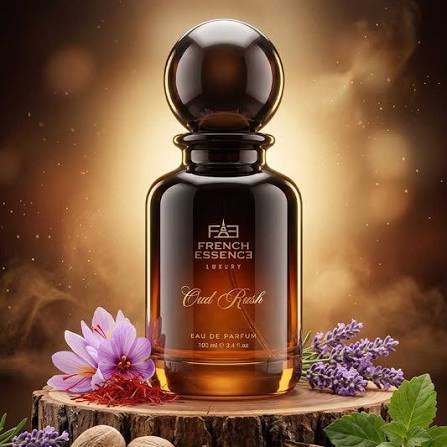
Introduction
Finding a quality perfume can be challenging with so many fragrances, concentrations, and brands available. Conclusion is an important part of any perfume guide because it brings together the key factors that help you choose with confidence. From fragrance composition and longevity to authenticity and skin testing, several details can indicate whether a perfume is worth buying. Understanding these factors makes it easier to compare options and select a scent that matches your preferences and expectations.
What Makes a Perfume High Quality?
A high-quality perfume is defined by its well-balanced fragrance, quality ingredients, good formulation, and how smoothly the scent develops over time. It should have a pleasant and consistent aroma without smelling harsh or artificial.
Quality of Fragrance Ingredients
The quality of the ingredients plays an important role in the overall scent. Well-selected fragrance oils, natural extracts, and carefully formulated aroma compounds can create a richer and more refined fragrance.
Balance of Fragrance Notes
A quality perfume has a well-balanced combination of top, middle, and base notes. The scent should gradually change as it develops on the skin while maintaining a pleasant overall character.
Concentration of Perfume Oils
The concentration of fragrance oils affects the perfume’s strength and wearing time. Products such as Eau de Parfum and Parfum generally contain more fragrance oils than Eau de Toilette, although concentration alone does not determine overall quality.
Overall Formulation and Craftsmanship
A well-formulated perfume blends its ingredients smoothly and maintains a consistent scent as it develops. Good craftsmanship helps create depth, harmony, and a more enjoyable fragrance experience.
Check the Perfume Concentration
Perfume concentration refers to the amount of fragrance oils in a product. It can affect the strength and how long the scent remains noticeable. Common types include Eau de Cologne, Eau de Toilette, Eau de Parfum, and Parfum.
Eau de Cologne (EDC)
Eau de Cologne has a relatively low fragrance-oil concentration. It usually provides a light, refreshing scent that is suitable for shorter wear.
Eau de Toilette (EDT)
Eau de Toilette contains more fragrance oils than EDC. It offers a moderate scent strength and is commonly used for everyday wear.
Eau de Parfum (EDP)
Eau de Parfum generally contains a higher concentration of fragrance oils than EDT. It usually provides a stronger and longer-lasting fragrance.
Parfum or Extrait de Parfum
Parfum, also called Extrait de Parfum, typically has the highest concentration among these common categories. It provides a richer scent and can remain noticeable for a longer period.
Concentration is useful when comparing perfumes, but it does not by itself determine overall quality. Ingredients, formulation, and fragrance balance also matter.
Understand the Fragrance Notes
Fragrance notes are the different scent layers that develop at different stages after a perfume is applied. They are usually divided into top, middle, and base notes.
Top Notes
Top notes are the first scents you notice immediately after applying a perfume. They create the initial impression and are usually made from light, fresh ingredients such as citrus, herbs, or aromatic fruits.
Middle (Heart) Notes
They typically last around 5 to 30 minutes, although the exact duration depends on the perfume’s formulation and concentration.
Base Notes
They typically last around 5 to 30 minutes, although the exact duration depends on the perfume’s formulation and concentration.
Test the Perfume Before Buying
Testing a perfume before buying helps you understand how its scent develops on your skin. A fragrance can smell different on each person because of individual skin chemistry.
Test on a Blotter Strip
Spray the perfume on a blotter strip and smell it after a few seconds. This gives you an initial idea of the fragrance without applying it directly to your skin.
Test on Your Skin
Apply a small amount to your wrist or another suitable area of skin. Avoid rubbing the perfume, as this can change how the fragrance develops.
Allow the Fragrance to Develop
Do not judge a perfume immediately after spraying it. Wait for some time to experience its top, middle, and base notes before deciding whether you like it.
Compare Different Fragrances
When testing several perfumes, give each one enough time to develop. Comparing them at different stages can help you identify the scent that suits your preferences.
Check How Long the Perfume Lasts
A perfume’s longevity refers to how long its scent remains noticeable after application. It can vary depending on the fragrance concentration, ingredients, skin type, application method, and environment.
Factors That Affect Longevity
Higher fragrance concentration often provides longer wear, but ingredients also play an important role. Warm skin, moisturized skin, and applying perfume to pulse points may help the scent remain noticeable for longer.
Why Longevity Alone Does Not Determine Quality
A long-lasting fragrance is not automatically a high-quality perfume. A well-made fragrance should have a balanced and pleasant scent, even if its wearing time is shorter. Consider both the fragrance experience and longevity when making your choice.
Look at the Perfume Packaging and Bottle
The packaging and bottle can provide useful clues about a perfume’s authenticity and manufacturing quality. However, attractive packaging alone does not prove that a fragrance is high quality.
Check the Bottle Quality
A genuine perfume bottle should generally have clean finishing, clear printing, and a secure cap. Look for cracks, poor alignment, loose parts, or other obvious manufacturing defects.
Examine the Packaging
Check the box for accurate product information, clear printing, and consistent branding. Spelling mistakes, blurry text, damaged packaging, or missing details can be warning signs, especially when combined with an unusually low price.
Check the Spray Mechanism
The spray nozzle should fit properly and produce a consistent mist. A poorly fitted or malfunctioning sprayer may indicate a manufacturing or storage problem.
Check the Ingredients and Product Information
Checking the ingredients and product information can help you understand what you are buying and identify products with incomplete or unclear labeling.
Read the Ingredient List
Check the ingredient list on the packaging to see what substances are used in the fragrance. Perfumes may contain fragrance materials, alcohol, water, and other ingredients. If you have known sensitivities, review the ingredients carefully.
Check Manufacturer Information
Look for the manufacturer’s name and relevant contact or business information on the packaging. Clear product information makes it easier to verify the brand and contact the company if you have questions.
Check Batch or Product Details
Look for details such as a batch number, product code, volume, and other required labeling information. Missing, unclear, or poorly printed details can be a reason to verify the product before purchasing.
Buy From a Reliable Seller
Buying perfume from a trustworthy seller reduces the risk of receiving counterfeit, expired, or poorly stored products. Choose sellers with a clear business identity, good customer feedback, and transparent product information.
Authorized Retailers
Whenever possible, purchase from the perfume brand’s official store or an authorized retailer. These sellers are more likely to provide genuine products and proper product information.
Reputable Online Stores
For online purchases, check customer reviews, return policies, seller ratings, and product details before placing an order. Avoid websites that provide little information about the seller or product.
Be Careful With Extremely Low Prices
An unusually low price can be a warning sign, especially when the same product normally sells for much more elsewhere. Compare prices from several reputable sellers before buying.
How to Spot a Fake or Counterfeit Perfume
Identifying a counterfeit perfume can be difficult because some fake products closely copy the original packaging. Check several details together rather than relying on one sign.
Check the Packaging
Look for spelling errors, blurry printing, poor-quality materials, or differences in the brand’s usual packaging. Compare the box with images and product information from the brand’s official website.
Examine the Bottle
Check the bottle for poor finishing, loose components, uneven labels, or a low-quality cap and spray mechanism. Significant differences from the authentic product can be a warning sign.
Compare the Price
Be cautious when a perfume is offered at an unusually low price without a clear reason. A large price difference does not prove a product is fake, but it is worth checking the seller and product carefully.
Check the Seller
Buy from the brand’s official store, authorized retailers, or established sellers whenever possible. Check reviews, return policies, and seller information before purchasing.
Verify Product Details
Check the batch number, product code, volume, ingredients, and other labeling details. If information is missing, inconsistent, or difficult to verify, consider confirming the product with the manufacturer before buying.
Common Mistakes When Choosing a Perfume
Choosing a perfume based only on its first impression can lead to disappointment later. Understanding common mistakes can help you make a more informed purchase.
Judging the Perfume Too Quickly
The first scent you notice comes mainly from the top notes. Give the perfume some time to develop so you can experience its middle and base notes before deciding.
Choosing Only by Price
A higher price does not automatically mean better quality. Consider the fragrance composition, concentration, seller reputation, and overall product quality instead of using price as the only factor.
Ignoring Skin Testing
A perfume can smell different on your skin than on a paper strip because of individual skin chemistry. Test a small amount on your skin before buying when possible.
Buying Without Checking the Seller
Purchasing from an unknown or unreliable seller can increase the risk of counterfeit or poorly stored products. Check seller reviews, product information, and return policies before making a purchase.
Focusing Only on Longevity
Long-lasting performance is useful, but it is not the only measure of quality. A good choice should also have a pleasant scent and suit your personal preferences.
High-Quality Perfume vs. Cheap Perfume
The difference between a high-quality and inexpensive perfume is not determined by price alone. Ingredients, formulation, scent development, performance, and product authenticity can all affect the overall fragrance experience.
Ingredient Quality
Higher-quality perfumes may use carefully selected fragrance materials and a more refined blend. Lower-priced perfumes can also contain good ingredients, so price alone is not a reliable measure of ingredient quality.
Scent Development
A well-formulated fragrance usually develops smoothly from its opening notes to its dry-down. Some inexpensive fragrances may have a simpler scent structure, while others can still offer a balanced fragrance.
Longevity
Fragrance concentration and ingredients can influence how long a perfume remains noticeable. A more expensive perfume is not necessarily longer-lasting than a cheaper one.
Packaging
Quality packaging may have clean printing, secure components, and good finishing. However, attractive packaging does not prove that the fragrance itself is high quality.
Price
Price can reflect factors such as ingredients, brand reputation, packaging, marketing, and production costs. Therefore, compare the actual fragrance and product information rather than assuming that a higher price means better quality.
Frequently Asked Questions
What is the main purpose of this topic?
The main purpose is to provide clear, useful information and help readers understand the subject without unnecessary details.
Why is this topic important?
It is important because it helps readers make informed decisions, understand key points, and find relevant information more quickly.
How does it work?
The process depends on the specific subject, but it generally involves following the relevant steps or guidelines associated with it.
What should I consider before getting started?
Consider your needs, available options, requirements, costs, and any important limitations before getting started.
Is this suitable for everyone?
Suitability depends on individual needs and circumstances. Review the specific requirements to determine whether it is appropriate for you.
Where can I find more information?
You can find additional information from reliable sources, official websites, product documentation, or qualified professionals relevant to the topic.
H3: How can you tell if a perfume is high quality?
A high-quality perfume usually has a well-balanced scent, smooth transitions between notes, good ingredients, and strong overall performance. The fragrance should smell pleasant and consistent rather than harsh or overly synthetic.
Does expensive perfume always mean better quality?
No. A higher price does not always indicate better quality. Price can also reflect branding, packaging, marketing, or exclusivity. The quality of the ingredients and fragrance composition are more important factors.
How long should a high-quality perfume last?
A high-quality perfume can typically last several hours, although longevity depends on its concentration, ingredients, skin type, and application. Eau de Parfum generally lasts longer than lighter fragrance types.
Is Eau de Parfum better than Eau de Toilette?
Not necessarily. Eau de Parfum has a higher fragrance concentration and often lasts longer, while Eau de Toilette is usually lighter and more suitable for everyday wear. The better option depends on your preference and occasion.
How can I tell if a perfume is authentic?
Check the packaging, batch or production details, bottle quality, labeling, and seller reputation. Buying from an authorized retailer or the brand’s official store is one of the safest ways to avoid counterfeit perfumes.
Should I test perfume on my skin before buying?
How to Identify High-Quality Perfume
Conclusion
Choosing a high-quality perfume does not always mean selecting the most expensive option. Focus on the fragrance’s composition, performance, authenticity, and how it smells on your skin. Testing a perfume before purchasing can help you determine whether its scent and longevity suit you. By considering these factors, you can make a more informed choice and find a fragrance that offers the quality and experience you want.