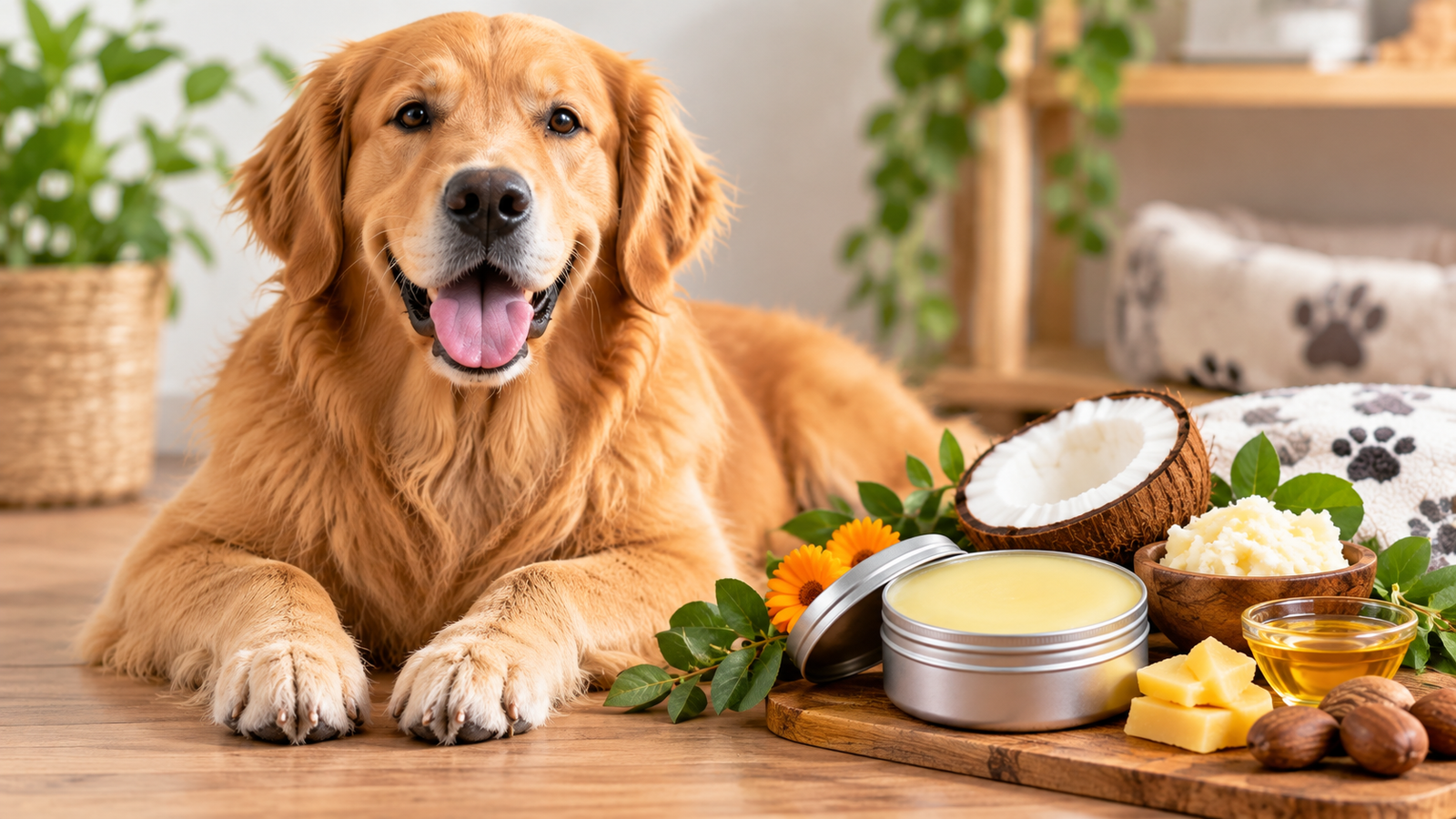
Introduction
Dog Safe Paw Balm can help protect and moisturize your dog’s paw pads when they become dry, rough, or exposed to harsh conditions. Hot pavement, cold weather, ice, road salt, and rough surfaces can all affect paw comfort. However, not every balm is suitable for dogs. The ingredients, formulation, and intended use matter, especially because dogs may lick their paws after application. This guide explains what makes a paw balm suitable for dogs, which ingredients to look for or avoid, how to use it, and when a paw problem needs veterinary attention.
What Is Dog Safe Paw Balm?
- Dog safe paw balm is a specially formulated product designed to protect and moisturize a dog’s paw pads. It helps reduce dryness, roughness, and cracking caused by hot pavement, cold weather, salt, or other harsh surfaces.
- A suitable paw balm typically contains gentle ingredients that are appropriate for dogs and should not include substances that may irritate their paws or cause problems if accidentally licked. The balm forms a protective layer over the paw pads while helping maintain their natural moisture.
- For the best results, choose a product made specifically for dogs and follow the manufacturer’s directions for application. If a dog has bleeding, deep cracks, swelling, or another serious paw injury, a veterinarian should examine the paw rather than relying on balm alone.
Why Do Dogs Need Paw Balm?
A dog’s paw pads can become dry, irritated, or damaged when exposed to harsh surfaces and weather conditions. Paw balm can provide moisture and a protective layer to help keep the pads comfortable
Protects Against Hot Pavement
Hot pavement can dry out or irritate a dog’s paw pads and may cause burns in extreme conditions. Applying a suitable balm can add a protective layer and help reduce the impact of dry, hot surfaces.
Helps With Dry and Cracked Paw Pads
Dry paw pads can become rough and develop small cracks, especially when exposed to harsh conditions. Paw balm helps restore moisture and keeps the pads softer, which may reduce further dryness.
Protects Paws During Cold Weather
Cold temperatures, ice, and dry winter air can make paw pads rough and uncomfortable. A protective balm can help reduce moisture loss and provide an extra layer of protection during outdoor activities.
Creates a Barrier Against Salt and Chemicals
Road salt, de-icing products, and other chemicals can irritate a dog’s paws. Paw balm can create a light barrier between the paw pads and these substances, helping reduce direct contact.
Supports Healthy and Comfortable Paw Pads
Regular paw care helps keep the pads moisturized and comfortable. A suitable balm can be part of a simple paw-care routine, especially when a dog frequently walks on rough surfaces or experiences extreme weather.
What Makes a Paw Balm Safe for Dogs?
A paw balm is considered safe for dogs when it is specifically formulated for canine use and contains gentle ingredients suitable for their paw pads. Since dogs may lick their paws after application, the product should avoid ingredients that can be harmful when swallowed in small amounts.
A suitable balm should:
- Use dog-friendly, non-irritating ingredients.
- Be free from harsh chemicals and unnecessary fragrances.
- Be designed for use on paw pads.
- Have clear ingredient and usage information.
- Be applied according to the manufacturer’s instructions.
It is also important to choose a product from a reputable manufacturer and check the ingredient list before use. If your dog has severely cracked, bleeding, swollen, or infected paws, consult a veterinarian instead of relying on balm alone.
Ingredients to Look for in Dog Safe Paw Balm
When choosing a paw balm, look for simple, gentle ingredients that help moisturize and protect the paw pads. However, an ingredient being natural does not automatically make it safe for dogs. Safety depends on the complete formulation, concentration, and how the product is intended to be used.
Shea Butter
Shea butter is a moisturizing ingredient that can help soften dry and rough paw pads. It also helps reduce moisture loss from the skin.
Coconut Oil
Coconut oil can help moisturize dry paw pads and improve their softness. It is commonly included in pet-care products designed for dry skin.
Beeswax
Beeswax helps create a protective layer over the paw pads. This barrier can help reduce exposure to dry surfaces and environmental irritants while helping retain moisture.
Olive Oil
Olive oil provides moisturizing properties and can help keep dry paw pads softer. It is often used as part of a simple balm formulation.
H3: Calendula and Other Gentle Botanical Ingredients
Calendula and other mild botanical ingredients may be included to support skin conditioning. Their suitability depends on the specific extract, concentration, and overall formulation.
Important: Natural does not always mean safe for dogs. Always check the complete ingredient list and choose a product specifically formulated for pets. Avoid products containing ingredients that may be irritating or unsafe if licked.
Ingredients to Avoid in Dog Paw Balm
Not every skincare ingredient is suitable for dogs, especially because dogs may lick products applied to their paws. When choosing a paw balm, check the ingredient list and avoid substances that may irritate the skin or be unsafe if swallowed.
- Strong fragrances: Artificial fragrances may irritate sensitive paw pads.
- Certain essential oils: Some essential oils can be harmful to dogs, particularly when used in concentrated amounts.
- Harsh chemicals: Ingredients that are too drying or irritating can worsen already sensitive or cracked paws.
- Alcohol-based ingredients: Certain alcohols may dry out the paw pads and cause irritation.
- Unnecessary additives: Products with long ingredient lists and unnecessary additives may be harder to assess for sensitive dogs.
A natural ingredient is not automatically safe for dogs. Safety depends on the specific ingredient, concentration, and complete formulation. Choose a product made specifically for dogs and follow its usage instructions.
How to Choose the Best Dog Safe Paw Balm
Choosing the right paw balm starts with checking the ingredients, purpose, and instructions. A suitable product should be made specifically for dogs and match your dog’s paw-care needs.
- Check the ingredient list: Look for simple, gentle ingredients and avoid substances that may irritate your dog’s paws.
- Choose a dog-specific formula: Products made for dogs are designed with their skin and grooming habits in mind.
- Consider your dog’s needs: Dry, rough paws may need a moisturizing formula, while outdoor dogs may benefit from a product that provides added protection.
- Avoid unnecessary fragrances: Fragrance-free options can be preferable for dogs with sensitive skin.
- Check the directions: Follow the recommended amount and application frequency rather than applying more than necessary.
- Buy from a reputable manufacturer: Look for clear labeling, complete ingredient information, and reliable product information.
If your dog has deep cracks, bleeding, swelling, or signs of infection, consult a veterinarian rather than using balm as the only treatment.
How to Apply Dog Safe Paw Balm
Applying paw balm is simple when the paws are clean and dry. Use a small amount and follow the product’s instructions for the best results.
Step 1 — Clean the Paws
Gently clean your dog’s paws to remove dirt, mud, salt, or other substances. Pay attention to the spaces between the paw pads.
Step 2 — Dry the Paw Pads
Pat the paws dry with a clean towel. Make sure the paw pads are dry before applying the balm so it can spread properly
Step 3 — Apply a Small Amount
Take a small amount of balm and apply a thin layer to each paw pad. Avoid using more product than recommended on the label.
Step 4 — Gently Massage the Balm
Massage the balm gently over the paw pads, covering dry or rough areas. Avoid rubbing too hard, especially if the paws are sensitive.
Step 5 — Allow Time for Absorption
Give the balm some time to absorb before your dog walks on dirty surfaces. If your dog immediately licks the product, follow the manufacturer’s guidance regarding safe use and application.
How Often Should You Apply Paw Balm?
How often you apply paw balm depends on your dog’s paw condition, activity level, and exposure to harsh surfaces or weather. For routine paw care, applying a small amount once or twice a day may be sufficient, but always follow the product’s specific instructions.
Consider applying balm:
- Before outdoor walks when paws will be exposed to hot, cold, rough, or treated surfaces.
- After walks if the paws have been exposed to salt, dirt, or dry conditions.
- When paws appear dry or rough to help maintain moisture.
- During extreme weather when paw pads need additional protection.
Use only the recommended amount. Applying too much can make the paws greasy and may encourage excessive licking. If your dog has bleeding, deep cracks, swelling, or signs of infection, consult a veterinarian rather than increasing balm use.
Is Dog Safe Paw Balm Safe If Dogs Lick It?
Dogs often lick their paws after a balm is applied, so choosing a product specifically formulated for dogs is important. A properly formulated paw balm should use ingredients that are appropriate for canine skin and are unlikely to cause problems when a small amount is accidentally licked.
However, “safe if licked” does not mean safe to eat in large amounts. Apply only the recommended amount and prevent your dog from consuming the product directly from the container.
Always check the ingredient list and follow the manufacturer’s instructions. If your dog develops vomiting, diarrhea, excessive drooling, skin irritation, or other unusual symptoms after licking a product, contact a veterinarian for advice.
Dog Paw Balm vs. Paw Wax: What’s the Difference?
Dog paw balm and paw wax are both used to protect and condition paw pads, but they are generally designed with different purposes in mind.
Paw balm is usually softer and more moisturizing. It is commonly used to help with dry, rough, or cracked paw pads and to support the skin’s moisture.
Paw wax is typically firmer and creates a more noticeable protective coating on the paw. It can be useful when dogs regularly walk on rough surfaces, ice, snow, salt, or other outdoor conditions.
The main difference is their texture and primary purpose: balm focuses more on conditioning and moisture, while wax focuses more on creating a protective barrier. Some products may combine both functions, so always check the ingredients and manufacturer’s instructions before use.
When Should You Not Use Paw Balm?
Paw balm is mainly intended for protecting and moisturizing healthy or mildly dry paw pads. It should not be used as a substitute for veterinary treatment when a dog has a serious paw problem.
Avoid applying paw balm when your dog has:
- Deep cuts or open wounds: These may require proper cleaning and veterinary care.
- Bleeding paws: Persistent or significant bleeding should be assessed by a veterinarian.
- Severe burns: Burned paw pads may need immediate professional treatment.
- Swelling or pus: These can be signs of infection or another underlying problem.
- Severe cracks or sores: Deep or painful cracks should be checked before applying any product.
- Persistent limping or pain: Ongoing discomfort may indicate an injury that needs veterinary attention.
Frequently Asked Questions About Dog Safe Paw Balm
What is the safest paw balm for dogs?
The safest option is a balm specifically formulated for dogs, with a simple ingredient list and no ingredients known to be harmful or irritating to pets. Always check the label and follow the product instructions.
Can I use human moisturizer on my dog’s paws?
It is better to use a product made specifically for dogs. Some human moisturizers contain fragrances, chemicals, or other ingredients that may irritate a dog’s paws or cause problems if licked.
Can dogs lick paw balm?
Dogs may lick some balm after it is applied. Choose a product formulated for dogs and follow the recommended amount. If your dog consumes a large amount or develops unusual symptoms, contact a veterinarian.
How often should I put paw balm on my dog’s paws?
Application frequency depends on the product and your dog’s needs. Follow the manufacturer’s instructions, especially during periods of dry weather or frequent outdoor activity.
Does paw balm help cracked dog paws?
Yes, a suitable balm can moisturize dry paw pads and help protect them from further dryness. Deep, bleeding, or painful cracks should be examined by a veterinarian.
Can I use paw balm in summer?
Yes. Paw balm can help protect paw pads from dryness caused by hot or rough surfaces. However, avoid walking your dog on dangerously hot pavement, as balm cannot prevent serious burns.
Can I use paw balm in winter?
Yes. Cold temperatures, ice, and road salt can dry or irritate paw pads. A suitable balm can provide moisture and an additional protective layer during winter walks.
H3: What ingredients should I avoid in dog paw balm?
Avoid ingredients that may be toxic, irritating, or unsuitable for dogs, including certain essential oils, strong fragrances, and harsh chemicals. Always check the complete ingredient list and choose a product made specifically for pets.
Final Thoughts
Paw balm can be a useful part of regular paw care when it is specifically formulated for dogs and used correctly. Choose a product with suitable ingredients, avoid potentially harmful substances, and follow the manufacturer’s instructions. Balm may help with dryness and provide protection from everyday environmental conditions, but it should not replace veterinary care for serious injuries, infections, burns, or painful paw problems.