Introduction
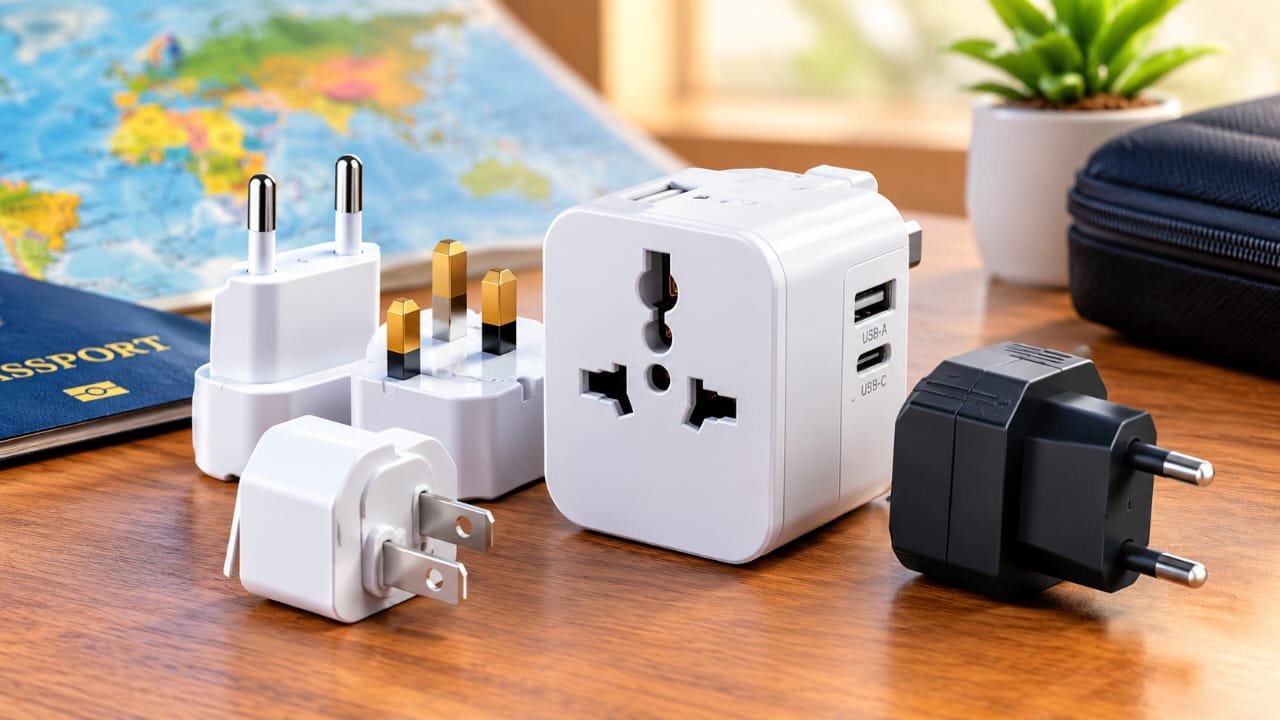
A Plug Adapter: Types, Uses, Safety, and How to Choose the Right One is useful for connecting electrical devices to sockets with different plug designs. Whether you are traveling internationally or need to connect a device with an incompatible plug, the right adapter provides a convenient connection. However, plug adapters do not normally change voltage, so checking your device’s voltage requirements is important. This article explains the main types of plug adapters, their common uses, safety considerations, and the key factors to consider when choosing the right adapter.
What Is a Plug Adapter?
A plug adapter is a small electrical device that allows a plug with one design to connect to a socket with a different design. It is commonly used when traveling between countries that have different plug shapes and socket standards. The adapter changes the physical connection between the plug and socket but normally does not change the voltage or frequency of electricity.
For example, if your device has a plug that does not fit the wall socket at your destination, a suitable adapter can make the physical connection possible. Before using one, it is important to check your device’s voltage requirements and the electrical standards of the destination to ensure safe operation.
How Does a Plug Adapter Work?
A plug adapter allows an electrical device with one type of plug to connect to a wall socket with a different plug shape. It changes the physical connection between the device and the socket but usually does not change the voltage or frequency of electricity. Before using an adapter, check that the device supports the local voltage and that the adapter is rated for the required power.
Different Types of Plug Adapters
Plug adapters come in several designs for different travel, charging, and household needs. The main types include travel, universal, grounded, USB, multi-plug, and country-specific adapters.
Travel Plug Adapters
Travel plug adapters are designed for people who use electronic devices in countries with different socket designs. They allow compatible plugs to fit into foreign wall outlets. They are commonly used for phones, laptops, cameras, and other travel electronics.
Universal Plug Adapters
Universal plug adapters support multiple plug configurations in one unit. Their adjustable pins or built-in socket designs can work with outlets in many countries. They are useful for international travelers who visit different regions.
Grounded Plug Adapters
Grounded plug adapters are designed for devices that require a grounding connection. They include an additional grounding contact to help provide protection against electrical faults. They should only be used with properly grounded outlets and compatible plugs.
USB Plug Adapters
USB plug adapters combine a wall-plug connection with USB charging ports. They allow users to charge devices such as smartphones, tablets, and other USB-powered electronics directly from a wall outlet. The USB output should match the charging requirements of the connected device.
Multi-Plug Adapters
Multi-plug adapters allow several devices to connect to one wall socket. They can be useful when multiple outlets are needed in the same location. However, the total power demand should remain within the adapter and socket’s rated capacity.
Plug Adapters for Specific Countries
Country-specific plug adapters are made for the socket and plug standards used in a particular country or region. They provide a simple connection when traveling between countries with different outlet designs. Always check the country’s plug type, voltage, and frequency before using one.
Common Uses of a Plug Adapter
plug adapter is mainly used when the plug of an electrical device does not match the available socket. Common uses include:
- International travel: Connect devices to sockets with different plug designs in other countries.
- Charging electronics: Use phones, tablets, cameras, and laptops with compatible wall sockets.
- Using imported devices: Connect appliances purchased from another country when their plug type differs.
- Home and office use: Connect equipment with different plug configurations to compatible sockets.
- Temporary electrical connections: Provide a suitable physical connection when the standard plug and socket do not match.
Before using an adapter, check the device’s voltage, frequency, and power requirements. An adapter changes the physical plug connection; it does not normally convert electrical voltage.
Plug Adapter vs Voltage Converter
A plug adapter and a voltage converter serve different purposes. A plug adapter changes the physical shape of a plug so it can fit into a different socket. It does not normally change the voltage or frequency of the electricity.
A voltage converter, on the other hand, changes the electrical voltage supplied to a device. It may be needed when an appliance is designed for a different voltage than the local power supply.
For example, when traveling internationally, you may need a plug adapter to make the plug fit the local socket. If your device does not support the local voltage, a suitable voltage converter may also be required. Always check the device’s voltage and frequency specifications before use.
How to Choose the Right Plug Adapt
Choosing the right plug adapter depends on the plug type, socket design, and electrical requirements of your device. Consider these factors before making a choice:
- Check the plug type: Identify the plug used by your device and make sure the adapter supports it.
- Check the socket type: Confirm that the adapter matches the socket where you will use it.
- Consider voltage and frequency: Check your device specifications and make sure they are compatible with the local power supply.
- Check the power rating: For high-power appliances, use an adapter that is properly rated for the required electrical load.
- Consider grounding: If your device has a grounding connection, choose an adapter that supports it.
- Choose the right purpose: A travel adapter may be suitable for trips, while a specialized or multi-port adapter may be more appropriate for home or office use.
Always check the adapter’s specifications and your device’s requirements before connecting them.
Plug Adapter Safety Tips
Using a plug adapter correctly helps reduce the risk of electrical faults, overheating, and damage to connected devices. Follow these basic safety tips:
- Check the specifications: Make sure the adapter is suitable for your device’s voltage, frequency, and power requirements.
- Avoid overloading: Do not connect appliances that exceed the adapter’s rated capacity.
- Inspect before use: Do not use an adapter with cracks, exposed wires, burn marks, or other visible damage.
- Ensure a secure connection: Make sure the plug and adapter fit firmly into the socket without excessive movement.
- Keep it dry: Keep adapters away from water and damp areas unless they are specifically designed for such environments.
- Use grounded adapters when required: Devices that need grounding should be connected through an adapter that maintains the grounding connection.
- Stop using an overheating adapter: Disconnect it and replace it if it becomes unusually hot, produces a burning smell, or shows signs of damage.
- Use certified products: Choose adapters that meet the applicable electrical safety standards for your location.
Always follow the manufacturer’s instructions and use an adapter that is appropriate for the intended device and socket.
Can You Use a Plug Adapter for Any Device?
A plug adapter cannot be used with every device automatically. It only changes the physical connection between a plug and a socket, so the device must still be compatible with the local voltage, frequency, and power supply.
Before using an adapter, check the device’s electrical specifications and the adapter’s rated capacity. Low-power electronics such as phones, cameras, and laptops may often work with a suitable adapter, while high-power appliances require extra attention to power ratings and grounding.
If the device requires a different voltage, a plug adapter alone will not be enough. A suitable voltage converter may be necessary. Always follow the manufacturer’s instructions and use an adapter designed for the specific device and socket.
How to Use a Plug Adapter Correctly
Using a plug adapter correctly helps create a secure connection between your device and the available socket. Follow these simple steps:
- Check compatibility: Confirm that the adapter matches your device’s plug and the available socket.
- Check electrical requirements: Make sure the device supports the local voltage and frequency. An adapter does not normally change voltage.
- Inspect the adapter: Check for cracks, damaged pins, loose parts, or other visible damage before use.
- Connect the device: Insert the device’s plug firmly into the adapter without forcing it.
- Connect to the socket: Plug the adapter securely into the wall socket.
- Monitor during use: Stop using the adapter if it becomes unusually hot, smells like burning, sparks, or shows any signs of damage.
Always follow the manufacturer’s instructions and never exceed the adapter’s rated power capacity.
Frequently Asked Questions About Plug Adapters
What is a plug adapter used for?
A plug adapter allows a device with one plug type to connect to a wall socket with a different plug design.
Does a plug adapter change voltage?
No. A standard plug adapter only changes the physical plug connection. It does not convert voltage. A voltage converter is needed when the device is not compatible with the local voltage.
Can I use a plug adapter internationally?
Yes. You can use a suitable adapter internationally if it matches the destination country’s socket type and the device supports the local voltage and frequency.
Is a plug adapter safe for high-power appliances?
Not always. Check the adapter’s maximum current and power rating before using it with high-power appliances. For devices such as heaters or kettles, use an adapter specifically rated for their power requirements.
What is the difference between a plug adapter and a converter?
A plug adapter changes the plug shape so it fits a socket. A converter changes the electrical voltage. Some products combine both functions, but they are not the same thing.
Do I need a plug adapter for travel?
You need one if your device’s plug does not match the socket type used at your destination. Check the destination’s plug standard before traveling.
How long does a plug adapter last?
A good-quality adapter can last for many years with normal use. Replace it if it becomes cracked, loose, overheated, discolored, or otherwise damaged.
Conclusion
Choosing the right plug adapter helps ensure a secure and convenient connection between your device and a compatible electrical socket. Consider the plug type, grounding requirements, power rating, and destination country before making a choice. Remember that a standard adapter does not convert voltage, so always check voltage compatibility when using electrical devices internationally. Using a suitable, good-quality adapter can help provide reliable performance and reduce unnecessary electrical risks.