Introduction
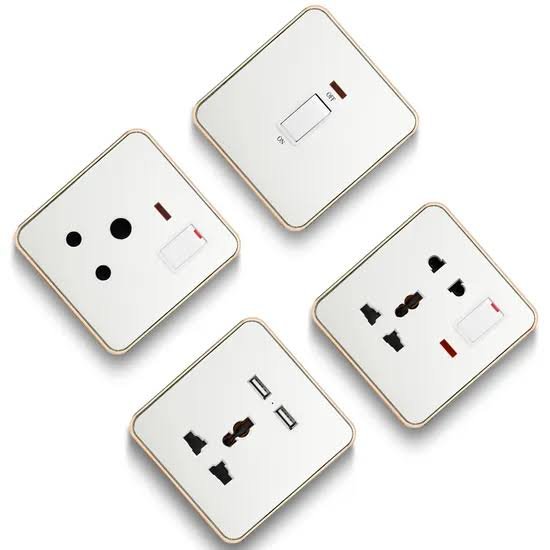
A Home Electric Socket is an essential part of a household electrical system that provides a convenient connection between electrical devices and the power supply. From charging smartphones and powering lamps to running televisions, computers, and household appliances, the right socket helps provide a secure and reliable electrical connection. Home electric sockets are available in different designs and configurations to suit various devices and household needs. This article explains the main types of home electric sockets, their common uses, safety considerations, and the key factors to consider when choosing the right socket.
What Is a Home Electric Socket?
A home electric socket is an electrical outlet installed in a wall or other suitable location that allows a compatible plug to connect an electrical device to the household power supply. It provides the electrical connection needed to operate appliances, electronics, lighting equipment, and other devices.
Home electric sockets may include features such as switches, grounding contacts, USB charging ports, or child-safety mechanisms. The socket should be compatible with the plug type, voltage, current rating, and electrical requirements of the device being connected.
How Does a Home Electric Socket Work?
A home electric socket provides a connection between an electrical device and the building’s electrical wiring. When a compatible plug is inserted into the socket, electrical current can flow through the connection to power the connected device.
Depending on the socket design, it may include live, neutral, and grounding connections. Some sockets also include an integrated switch that allows users to turn the power supply on or off without removing the plug.
A properly installed socket should provide a secure connection and be suitable for the voltage and current requirements of the connected device.
Different Types of Home Electric Sockets
Home electric sockets are available in several designs for different household, charging, and electrical needs. The main types include standard wall sockets, switched sockets, USB sockets, grounded sockets, smart sockets, and child-safe sockets.
Standard Wall Sockets
Standard wall sockets are commonly installed throughout homes to provide basic connections for electrical devices. They are suitable for appliances, lamps, televisions, chargers, and other compatible equipment.
The socket type and electrical rating should match the requirements of the devices used in the home.
Switched Electric Sockets
Switched electric sockets include an integrated switch that allows users to control the power supply without unplugging the device. They can be useful for appliances and electronics that remain connected to the socket for extended periods.
The switch also provides a convenient way to disconnect power when the connected device is not being used.
USB Electric Sockets
USB electric sockets combine a traditional electrical socket with USB charging ports. They allow users to charge smartphones, tablets, and other USB-powered devices directly from the wall.
The USB output should provide suitable charging specifications for the connected device.
Grounded Electric Sockets
Grounded electric sockets include a grounding connection designed to provide an additional path for electrical faults. They are commonly used with devices that require grounding for safe operation.
Grounding connections should be properly installed and maintained to provide the intended protection.
Smart Electric Sockets
Smart electric sockets can provide additional features such as remote control, scheduling, energy monitoring, or integration with compatible smart-home systems.
Depending on the model, users may be able to control connected devices through a smartphone app or another compatible control system.
Child-Safe Electric Sockets
Child-safe electric sockets are designed with safety features that help reduce the risk of accidental contact with the electrical contacts. They can be useful in homes where young children may have access to wall sockets.
These sockets should still be installed and used according to the manufacturer’s instructions.
Common Uses of a Home Electric Socket
A Home Electric Socket is mainly used to provide power to compatible electrical devices. Common uses include:
- Charging electronics: Connect smartphones, tablets, laptops, and other charging devices.
- Powering appliances: Supply electricity to compatible household appliances.
- Operating lighting: Connect lamps and other portable lighting equipment.
- Home entertainment: Power televisions, speakers, gaming systems, and related equipment.
- Office equipment: Connect computers, monitors, printers, and other office devices.
- Small household devices: Power fans, clocks, kitchen equipment, and other compatible electronics.
Before connecting a device, check its voltage, current, and power requirements to ensure that they are suitable for the socket and household electrical supply.
Home Electric Socket vs. Electrical Outlet
The terms home electric socket and electrical outlet are often used to describe a point where an electrical device can be connected to a power supply. In everyday usage, they can refer to the same type of household electrical connection.
The exact terminology may vary depending on the country or region. Regardless of the name, the important factors are the socket design, plug compatibility, electrical rating, grounding arrangement, and installation quality.
How to Choose the Right Home Electric Socket
Choosing the right home electric socket depends on the intended location, connected devices, and electrical requirements. Consider these factors before making a choice:
- Check the socket type: Choose a socket that matches the plug type used by your devices.
- Consider the electrical rating: Make sure the socket is rated for the voltage and current required by the connected equipment.
- Consider grounding: Use a properly grounded socket when the connected device requires a grounding connection.
- Choose useful features: Switched, USB, smart, or child-safe sockets may be suitable depending on your household needs.
- Check installation requirements: Make sure the socket is suitable for the existing electrical wiring and installation location.
- Choose quality products: Select a socket that meets the applicable electrical safety standards for your location.
Always check the socket specifications and the electrical requirements of the devices before installation or use.
Home Electric Socket Safety Tips
Using a home electric socket correctly helps reduce the risk of electrical faults, overheating, and damage to connected devices. Follow these basic safety tips:
- Avoid overloading: Do not connect devices that exceed the socket or circuit’s rated capacity.
- Inspect the socket: Do not use a socket that is cracked, loose, burned, or visibly damaged.
- Keep it dry: Keep electrical sockets away from water and moisture unless they are specifically designed for such environments.
- Ensure a secure connection: Make sure plugs fit firmly into the socket without excessive movement.
- Do not force plugs: Never force an incompatible plug into a socket.
- Watch for overheating: Stop using a socket if it becomes unusually hot, produces a burning smell, or shows signs of damage.
- Use proper grounding: Make sure grounding connections are maintained where required.
- Use qualified installation: Electrical installation and repairs should be carried out by a qualified electrician where required.
Always follow the manufacturer’s instructions and applicable electrical safety requirements.
Common Home Electric Socket Problems
Home electric sockets can develop problems through normal wear, damage, loose connections, or electrical faults. Common problems include:
Loose Plug Connection
A plug that does not fit firmly into the socket may indicate worn or damaged internal contacts. A loose connection can increase electrical resistance and may cause overheating.
Socket Not Providing Power
If a socket does not provide power, the issue may be related to the circuit, switch, wiring, or socket itself. The circuit should be checked before continuing to use the socket.
Sparks or Burning Smell
Sparks, smoke, or a burning smell can indicate an electrical fault or damaged components. Stop using the socket and have it inspected by a qualified electrician.
Overheating
A socket that becomes unusually hot may be overloaded or have a loose or faulty connection. Disconnect the device and have the socket inspected if overheating occurs.
Cracked or Damaged Socket
Physical damage can expose electrical components and increase the risk of electrical contact or faults. A damaged socket should not be used until it has been properly replaced or repaired.
When Should You Replace a Home Electric Socket?
A home electric socket should be inspected or replaced when it becomes cracked, loose, discolored, overheated, produces unusual sounds or smells, or no longer provides a reliable connection.
If the problem involves internal wiring or electrical faults, use a qualified electrician rather than attempting a repair without the necessary electrical knowledge.
How to Use a Home Electric Socket Correctly
Using a home electric socket correctly helps create a secure connection between an electrical device and the household power supply. Follow these simple steps:
- Check compatibility: Confirm that the device’s plug matches the socket.
- Check electrical requirements: Make sure the device is suitable for the available voltage and frequency.
- Inspect the socket: Check for cracks, looseness, burn marks, or other visible damage.
- Connect the device: Insert the plug firmly into the socket without forcing it.
- Use the switch if available: Turn the socket on only after the device is properly connected.
- Monitor during use: Stop using the socket if it becomes unusually hot, sparks, smells like burning, or shows signs of damage.
Never exceed the socket or circuit’s rated capacity, and always follow the manufacturer’s instructions.
Frequently Asked Questions About Home Electric Sockets
What is a Home Electric Socket?
A home electric socket is an electrical connection installed in a home that allows compatible devices to receive power from the household electrical supply.
What is the difference between a plug and a socket?
A plug is attached to an electrical device or its power cord, while a socket is installed in a wall or electrical system and provides the connection point for the plug.
Can I use multiple devices with one Home Electric Socket?
You can use multiple devices only when the socket, circuit, and connected equipment are suitable for the combined electrical load. Avoid overloading the socket or circuit.
Are USB Home Electric Sockets safe?
USB electric sockets can be safe when properly installed and used according to their specifications. Choose a quality product that meets applicable safety standards and provides suitable USB output for your devices.
Can I use a Home Electric Socket outdoors?
A standard indoor socket should not be used outdoors unless it is specifically designed and rated for outdoor conditions. Outdoor installations require suitable weather protection and electrical safety measures.
How long does a Home Electric Socket last?
A good-quality socket can remain functional for many years under normal use. However, it should be inspected or replaced if it becomes loose, cracked, discolored, overheated, or damaged.
Conclusion
Choosing the right Home Electric Socket helps provide a secure and convenient connection for electrical devices throughout the home. Consider the socket type, electrical rating, grounding requirements, installation location, and useful features before making a choice. Damaged, loose, or overheating sockets should not be ignored and may require inspection or replacement by a qualified electrician. Using a suitable, properly installed socket can help provide reliable performance and reduce unnecessary electrical risks.
Pingback: Standard Electric Socket: Everything You Need to Know
Pingback: Plug Adapter: Types, Uses, Safety,