Introduction
A Standard Electric Socket is an essential part of a building’s electrical system, providing a convenient point for connecting appliances and electronic devices to the power supply. Sockets are used every day in homes, workplaces, and commercial spaces, but selecting a suitable socket and using it correctly is important for reliable electrical performance. This guide explains what a standard electric socket is, how it works, the different types available, where it is used, important safety practices, common problems, and maintenance requirements.
What Is a Standard Electric Socket?
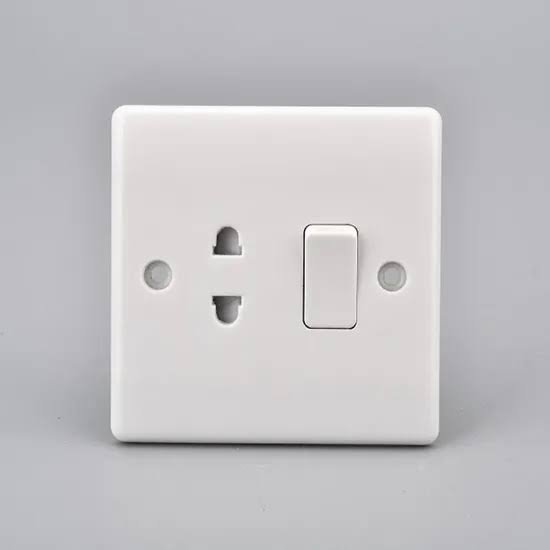
A Standard Electric Socket is a fixed electrical connection installed on a wall or another suitable surface. It is designed to receive a compatible plug and provide electrical power to connected equipment such as lamps, televisions, computers, fans, chargers, and household appliances.
Standard sockets can have different designs and features depending on the electrical system and installation requirements. Some models include switches, grounding connections, safety shutters, USB charging ports, or additional protective features.
The socket must match the electrical rating and plug configuration required by the equipment. A correctly installed socket provides a stable connection, while a loose, damaged, or overheated socket can create electrical safety concerns.
How Does a Standard Electric Socket Work?
A Standard Electric Socket works by creating an electrical connection between a plugged-in device and the building’s wiring system. When a compatible plug is inserted, its pins connect with the contacts inside the socket, allowing electrical current to reach the appliance.
Most electrical socket systems use live, neutral, and earth/ground connections. The live conductor carries electrical energy to the appliance, while the neutral provides the return path. The earth connection provides an additional safety path when a fault occurs.
In switched designs, the switch controls whether electrical power is supplied to the connected device. Circuit breakers, fuses, and residual-current protection may also be used within the electrical system to provide protection against faults and excessive current.
Different Types of Standard Electric Sockets
Standard Electric Sockets are available in several forms. The appropriate option depends on the location, electrical requirements, plug design, and features needed for the installation.
Standard Wall Socket
A standard wall socket provides a basic connection point for everyday electrical equipment. It is commonly installed in bedrooms, living rooms, offices, kitchens, and other indoor areas.
These sockets can be designed according to the electrical standards used in the country where they are installed.
Switched Electric Socket
A switched socket includes a dedicated switch that allows users to control the electrical supply without removing the plug. This can make it easier to disconnect an appliance when it is not being used.
USB Electric Socket
USB sockets combine a conventional electrical outlet with one or more USB charging ports. They can be useful for charging smartphones, tablets, and other compatible electronic devices without using a separate wall charger.
Smart Electric Socket
Smart sockets provide additional control features through connected technology. Depending on the model, they may support smartphone applications, remote switching, schedules, voice control, or energy-monitoring functions.
Outdoor Electric Socket
Outdoor sockets are designed for locations exposed to environmental conditions. They may include protective covers and weather-resistant construction to help limit exposure to water, dust, and moisture.
They should be installed according to applicable electrical safety requirements and should be suitable for the environment in which they are used.
GFCI/RCD-Protected Socket
GFCI/RCD-protected sockets provide additional protection by detecting abnormal electrical leakage and disconnecting the supply when necessary. They are particularly relevant in areas where moisture may be present, such as bathrooms, kitchens, laundry spaces, and outdoor locations.
Standard Electric Socket Sizes and Ratings
The physical design and electrical rating of a Standard Electric Socket can vary according to the country, electrical system, and installation requirements.
Important specifications may include the socket’s voltage rating, current rating, frequency, plug configuration, and grounding arrangement. These specifications should be compatible with the electrical supply and the equipment being connected.
Before installing or replacing a socket, check the relevant local electrical requirements. A socket should not be selected only because it physically fits a wall box or plug; its electrical specifications also need to be suitable.
Where Are Standard Electric Sockets Used?
Standard Electric Sockets are commonly found wherever electrical equipment needs access to a fixed power supply. Typical locations include:
- Homes
- Offices
- Schools
- Shops
- Hotels
- Workshops
- Commercial buildings
- Garages
- Industrial areas
- Outdoor work spaces
In residential properties, sockets may be installed in bedrooms, living rooms, kitchens, garages, and other areas. They can supply power to lighting equipment, chargers, televisions, computers, fans, and household appliances.
Offices commonly use sockets for computers, monitors, printers, networking equipment, and other electronic devices. Commercial and industrial environments may require specially rated sockets for equipment with higher electrical demands.
How to Choose the Right Standard Electric Socket
Choosing a Standard Electric Socket requires more than selecting a particular appearance. The socket should be suitable for the electrical system, installation location, and equipment that will be connected to it.
Consider these factors:
Check the Electrical Rating
Verify the required voltage and current rating before selecting a socket. The rating should be appropriate for the intended electrical load.
Check Plug Compatibility
Make sure the socket accepts the plug configuration used by the appliances. A physically incompatible plug should never be forced into a socket.
Consider the Installation Location
Indoor, outdoor, kitchen, bathroom, and workshop installations may have different requirements. Select a socket designed for the conditions where it will be installed.
Look for Safety Features
Depending on the application, useful features may include grounding, safety shutters, switches, and GFCI/RCD protection.
Follow Local Standards
The selected socket should comply with the electrical standards and installation requirements applicable in the country or region.
For fixed electrical installations, professional installation by a qualified electrician is recommended.
Standard Electric Socket Safety Tips
Correct use of a Standard Electric Socket can help reduce the possibility of electrical accidents. Keep the following practices in mind:
- Avoid overloading one socket with multiple high-power appliances.
- Inspect the socket regularly for cracks, discoloration, or physical damage.
- Keep electrical sockets away from unnecessary moisture.
- Use compatible plugs that match the socket configuration.
- Do not force a plug into an unsuitable socket.
- Replace damaged plugs and cables instead of continuing to use them.
- Watch for unusual heat, buzzing, or burning smells.
- Use suitable protection in areas where additional shock protection is required.
- Keep children away from exposed or damaged electrical connections.
- Use a qualified electrician for electrical repairs and fixed socket installation.
If a socket shows signs of serious damage or overheating, stop using it and arrange a professional inspection.
Common Standard Electric Socket Problems
Like other electrical components, a Standard Electric Socket can develop problems because of repeated use, loose connections, excessive electrical loads, moisture, or physical damage.
Loose Plug Connection
If a plug does not remain firmly inside the socket, the internal contacts may be worn or damaged. A loose connection can result in intermittent power and heat buildup.
The socket should be inspected before continued use.
Socket Has No Power
A socket may stop supplying electricity because of a tripped circuit breaker, RCD/GFCI protection, wiring issue, faulty socket, or problem with the connected appliance.
Check the appliance and relevant electrical protection first. If the problem remains, professional inspection may be required.
Sparking or Burning Odor
Repeated sparking, scorch marks, buzzing, or a burning smell can indicate an electrical fault. These signs should not be ignored.
Stop using the affected socket and arrange an inspection by a qualified electrician.
Socket Becomes Hot
A socket that becomes unusually warm or hot may be affected by an overloaded circuit, loose connection, damaged wiring, or a faulty appliance.
Stop using the socket if excessive heat is noticed and have the electrical installation checked.
Cracked Socket
A broken cover, cracked faceplate, exposed components, or loose mounting can make a socket unsafe.
A damaged socket should not continue to be used and may need replacement with a properly rated unit.
When Should You Replace a Standard Electric Socket?
A Standard Electric Socket may require replacement when it no longer provides a secure and reliable electrical connection. Warning signs can include:
- Visible cracks or broken components
- Burn marks or discoloration
- Repeated sparking
- A burning smell
- Unusual buzzing sounds
- Loose-fitting plugs
- Intermittent power
- Melting or excessive heat
- A damaged or loose faceplate
If any of these conditions appear, stop using the socket and have it inspected. Continuing to use a faulty socket can increase the risk of electrical damage or injury.
Standard Electric Socket Maintenance
Regular inspection can help identify socket problems before they become more serious. Check sockets periodically for cracks, loose fittings, discoloration, overheating, and signs of burning.
Keep socket surfaces clean and dry, and avoid placing excessive electrical loads on one connection. Plugs and cables should also be checked for visible damage.
If you notice sparking, buzzing, unusual heat, or intermittent power, stop using the socket and seek professional assistance. Outdoor sockets should also have suitable protection for the environmental conditions around them.
Standard Electric Socket vs. Electrical Outlet
The terms Standard Electric Socket and electrical outlet are often used to describe a fixed point where an electrical appliance connects to a power supply.
The terminology can vary by region. In British English, the word socket is commonly used for the fixed connection into which a plug is inserted. In American English, electrical outlet is a more common term for a similar connection point.
A plug is generally the connector attached to an appliance’s power cord, while the socket or outlet is the fixed electrical connection installed in the building.
Frequently Asked Questions About Standard Electric Sockets
1: What is a Standard Electric Socket?
A Standard Electric Socket is a fixed electrical connection designed to receive a compatible plug and provide power to an electrical appliance.
2: What is the purpose of a Standard Electric Socket?
Its main purpose is to provide a safe and convenient connection between an appliance and the building’s electrical supply.
3: Can I use any appliance with a Standard Electric Socket?
Only appliances that are compatible with the socket’s voltage, current rating, plug configuration, and electrical system should be connected.
4: Why does a Standard Electric Socket become hot?
Excessive heat can result from overloading, loose connections, faulty wiring, a damaged socket, or an appliance drawing too much current.
5: Can a Standard Electric Socket be used outdoors?
Only a socket specifically designed and rated for outdoor conditions should be installed outdoors. Appropriate weather protection and electrical safety measures may also be required.
6: How long does a Standard Electric Socket last?
There is no single fixed lifespan. Its service life depends on the quality of the socket, installation, frequency of use, electrical load, and surrounding conditions.
7: Should I replace a damaged Standard Electric Socket?
Yes. A socket with cracks, burn marks, loose connections, melting, repeated sparking, or excessive heat should be taken out of service and inspected by a qualified electrician.
8: Can I install a Standard Electric Socket myself?
Electrical socket installation can involve live wiring and should be performed by a suitably qualified person, particularly when new wiring or circuit modifications are involved.
Conclusion
A Standard Electric Socket provides an important connection between electrical appliances and a building’s power supply. Understanding socket types, ratings, compatibility, safety features, common faults, and maintenance can help users make appropriate choices and recognize potential problems early.
A socket should always be suitable for its electrical load and installation environment. If it becomes damaged, loose, unusually hot, or shows signs of sparking or burning, stop using it and arrange a professional inspection. Proper installation, careful use, and regular checks can help maintain a safer and more dependable electrical connection.
Pingback: Home Electric Socket: Complete Guide