Introduction
A laptop keyboard is one of the most important input devices for typing, browsing, studying, and working. Laptop Keyboard: A Complete Guide to Types, Features, Problems, and Buying Tips explains the main keyboard types, useful features, common problems, and simple troubleshooting methods. Understanding these aspects can help you use your laptop more comfortably and choose the right keyboard when buying or replacing one. This guide also covers keyboard maintenance and practical tips to help keep your keyboard working properly.
What Is a Laptop Keyboard?
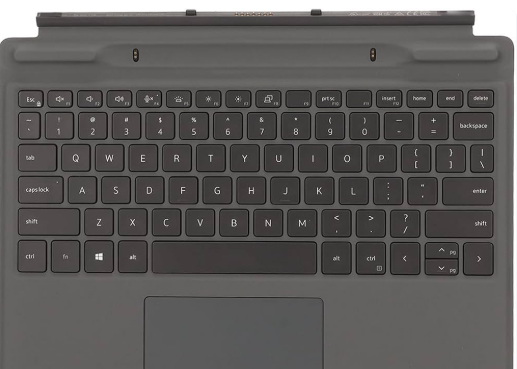
A laptop keyboard is a built-in input device that allows users to type text, enter commands, and control different functions on a laptop. It consists of keys for letters, numbers, symbols, and special functions such as volume control, screen brightness, and media playback.
Unlike a desktop keyboard, a laptop keyboard is designed to fit directly into the laptop’s compact body. Most laptop keyboards use a scissor-switch or membrane-style mechanism, which provides a comfortable and responsive typing experience.
Laptop keyboards can also include useful features such as backlighting, multimedia keys, a numeric keypad, and shortcut keys. The layout and features may vary depending on the laptop model and manufacturer.
A properly designed keyboard makes everyday tasks such as writing, browsing the internet, studying, programming, and working easier and more efficient.
Below is concise, clear, and SEO-friendly content for each section, without unnecessary repetition or keyword stuffing.
What Is a Laptop Keyboard?
A laptop keyboard is a built-in input device used to type text, enter commands, and control different functions on a laptop. It includes letter, number, symbol, and function keys. Depending on the laptop model, it may also have features such as backlighting, multimedia controls, and a numeric keypad.
Types of Laptop Keyboards
Membrane Keyboard
A membrane keyboard uses a flexible membrane beneath the keys to register keystrokes. It is generally affordable, lightweight, and commonly found in basic laptops.
Scissor-Switch Keyboard
A scissor-switch keyboard uses small mechanisms beneath each key to provide stability and a short key travel. This design is common in modern laptops because it offers a comfortable and responsive typing experience.
Mechanical Laptop Keyboard
A mechanical keyboard uses individual mechanical switches for each key. It can provide clear feedback and a more distinct typing feel, although it is less common in standard laptops and is often associated with gaming models.
Chiclet Keyboard
A chiclet keyboard has flat, separated keys with spaces between them. Its simple layout makes the keys easy to identify and gives the keyboard a clean, modern appearance.
Backlit Laptop Keyboard
A backlit keyboard has lighting underneath or around the keys. It makes typing easier in dim environments and is especially useful for students, professionals, and users who work at night.
Important Features of Laptop Keyboards
Backlighting
Backlighting illuminates the keys so they remain visible in low-light conditions. Some laptops offer adjustable brightness or different lighting modes.
Key Travel and Key Size
Key travel refers to how far a key moves when pressed. Comfortable key spacing and suitable key travel can make typing easier and reduce accidental key presses.
Spill Resistance
Spill-resistant keyboards are designed to provide some protection against accidental liquid spills. However, they should not be treated as completely waterproof.
Multimedia Keys
Multimedia keys provide quick controls for functions such as volume, playback, muting, and media navigation. They can make common tasks faster.
Function Keys
Function keys, usually labeled F1 through F12, perform different commands depending on the laptop and operating system. They can control features such as brightness, volume, or screen settings.
Numeric Keypad
A numeric keypad provides dedicated number keys for faster data entry. It is particularly useful for accounting, spreadsheets, calculations, and other number-heavy tasks.
Touch-Friendly and Comfortable Design
A well-designed keyboard should have clear key labels, comfortable spacing, and a layout that supports accurate typing. These features are useful for long typing sessions.
Common Laptop Keyboard Problems
Laptop Keyboard Not Working
A keyboard may stop working because of software problems, incorrect settings, driver issues, or hardware faults. Restarting the laptop can sometimes resolve temporary problems.
Some Keys Not Responding
Individual keys may stop responding because of dust, debris, worn components, or physical damage. Cleaning the affected area may help if dirt is causing the problem.
Keyboard Keys Typing the Wrong Characters
Wrong characters can appear when the keyboard layout or language settings are changed. Checking the selected keyboard language and layout can often solve this issue.
Sticky or Stuck Keys
Keys can become sticky because of dust, dirt, or spilled liquids. Carefully cleaning around the affected key may restore normal movement.
Backlight Not Working
A keyboard backlight may not work because it is disabled, the laptop does not support backlighting, or there is a software or hardware issue. Check the laptop’s keyboard shortcut and settings first.
Keyboard Lag or Delayed Response
Keyboard delays can result from system performance issues, outdated drivers, software conflicts, or connectivity problems with external keyboards. Restarting the laptop and checking for updates can help identify the cause.
How to Fix Common Laptop Keyboard Problems
Restart Your Laptop
Restarting can clear temporary software problems that affect keyboard input. Save your work and restart the laptop before trying more advanced solutions.
Check Keyboard Settings
Check the keyboard language, layout, accessibility options, and other input settings. Incorrect configurations can affect how the keys work.
Update or Reinstall Keyboard Drivers
Outdated or corrupted drivers can cause keyboard problems. Use your operating system’s device settings to update or reinstall the keyboard driver when necessary.
Clean the Keyboard Safely
Turn off the laptop before cleaning. Remove loose dust and debris carefully, and avoid applying excessive pressure or liquid directly to the keys.
Check for Hardware Problems
If the keyboard still does not work after software troubleshooting, the problem may be hardware-related. A damaged keyboard, loose internal connection, or worn component may require professional inspection or replacement.
Frequently Asked Questions About Laptop Keyboards
What is a laptop keyboard?
A laptop keyboard is a built-in input device used to type text, numbers, symbols, and commands on a laptop.
What are the most common types of laptop keyboards?
Common types include membrane, scissor-switch, chiclet, mechanical, and backlit keyboards. The design varies by laptop model.
Why is my laptop keyboard not working?
A keyboard may stop working because of incorrect settings, outdated drivers, dirt, physical damage, or a hardware problem. Restarting the laptop and checking the keyboard settings can help.
Can a laptop keyboard be replaced?
Yes, most laptop keyboards can be replaced if they are damaged or no longer work properly. The replacement must be compatible with the specific laptop model.
How do I clean a laptop keyboard?
Turn off the laptop and gently remove dust and debris from the keyboard. Avoid pouring or spraying liquid directly onto the keys.
Are backlit laptop keyboards better?
Backlit keyboards are useful for typing in dim environments. Whether they are better depends on your needs and how often you use your laptop in low light.
How long does a laptop keyboard last?
A laptop keyboard can last for several years with normal use. Its lifespan depends on build quality, usage, maintenance, and exposure to dust or liquids.
Conclusion
A laptop keyboard plays an important role in everyday computer use. Different types offer different designs and typing experiences, while features such as backlighting, multimedia keys, and numeric keypads can improve convenience. Common problems can often be addressed by checking settings, updating drivers, cleaning the keyboard, or getting professional help for hardware issues. Understanding these basics makes it easier to maintain your keyboard and choose a suitable option for your needs